
E-Invoicing in Latvia: Deadlines for 2026 and the 2028 B2B Mandate

Latvia has made structured e-invoicing mandatory in stages: B2G since January 2025, VID data reporting from January 2026, and all domestic B2B invoicing from January 2028. This guide explains who is affected, what counts as a compliant e-invoice, and how to prepare well before the deadline.

Published 2026-07-12

Latvia's E-Invoicing Timeline: 2025, 2026 and 2028

Latvia is introducing mandatory structured e-invoicing in stages, anchored in amendments to the Accounting Law (Grāmatvedības likums). Invoicing between businesses and the public sector is already electronic-only, and the obligations now extend step by step — first to data reporting, and from 2028 to all domestic business-to-business invoicing.

The current timeline was set by the June 2025 amendments, which postponed the original 2026 B2B date. Always verify your own start date with the Ministry of Finance (fm.gov.lv) and the State Revenue Service (VID), because deadlines have moved before:

  • January 2025 — Structured e-invoices became mandatory for B2G transactions (invoices issued to state budget institutions).
  • January 2026 — Suppliers must also report structured e-invoice data to the State Revenue Service (VID) for B2G and G2G transactions.
  • March 2026 — Voluntary structured B2B e-invoice exchange is supported from 30 March 2026, so businesses can switch early.
  • January 2028 — Structured e-invoices and data reporting become mandatory for domestic B2B transactions.


Who Is Affected: Freelancers, SIA and Accounting Firms

By January 2028 the mandate reaches essentially every business registered in Latvia that invoices another Latvian business — from a one-person self-employed contractor to an SIA with a full accounting department. If you sell to the public sector, you are already in scope today; if you sell B2B, 2028 is your hard deadline and March 2026 is when voluntary exchange opens.

Accounting firms and bookkeeping bureaus feel the change multiplied: every client's sales and purchase invoices eventually arrive as structured XML rather than paper or PDF. Firms that standardise early — agreeing with clients on one compliant format and one delivery channel — turn the mandate into a workflow improvement instead of a year-end emergency.

Note that the Latvian mandate covers domestic transactions. If you invoice customers in Germany, France or other EU countries, those markets run their own mandates on their own timelines — the common technical rail across all of them is the EN 16931 standard and the Peppol network, which is why standards-based export matters more than any single country's portal.

What Counts as a Structured E-Invoice in Latvia

A PDF sent by email is not an e-invoice under the Latvian rules. A structured e-invoice is a machine-readable XML file that conforms to the European semantic standard EN 16931 — software can import, validate and book it without anyone retyping a single line.

In practice Latvia works with Peppol BIS Billing 3.0 as the primary format, with UBL 2.1 as the underlying syntax that is also accepted. Delivery runs through the official e-adrese (eAddress) system or over the Peppol network, depending on the counterparty.

A compliant file carries the full invoice data set: seller and buyer identification with registration and VAT numbers, line items with quantities and prices, the tax breakdown by rate, payment details and due dates. Getting this master data clean is most of the compliance work.

How to Prepare Before the 2028 Mandate

You do not need to wait for 2028. Voluntary B2B exchange opens on 30 March 2026, and preparing early spreads the work across quiet months instead of a deadline scramble. A practical checklist:

  • Check that your invoicing tool can export EN 16931-compliant XML (Peppol BIS 3.0 or UBL 2.1) — not just a PDF.
  • Register and activate your company's e-adrese so you can receive and deliver official electronic documents.
  • Clean up master data: exact legal names, registration numbers and VAT numbers for your company and every regular customer.
  • Agree with your regular B2B customers when you will switch to structured e-invoices — voluntary exchange is possible from 30 March 2026.
  • If an accounting firm keeps your books, ask how they want to receive e-invoice files so their software imports them without retyping.

Creating Latvia-Ready E-Invoices with Invotify

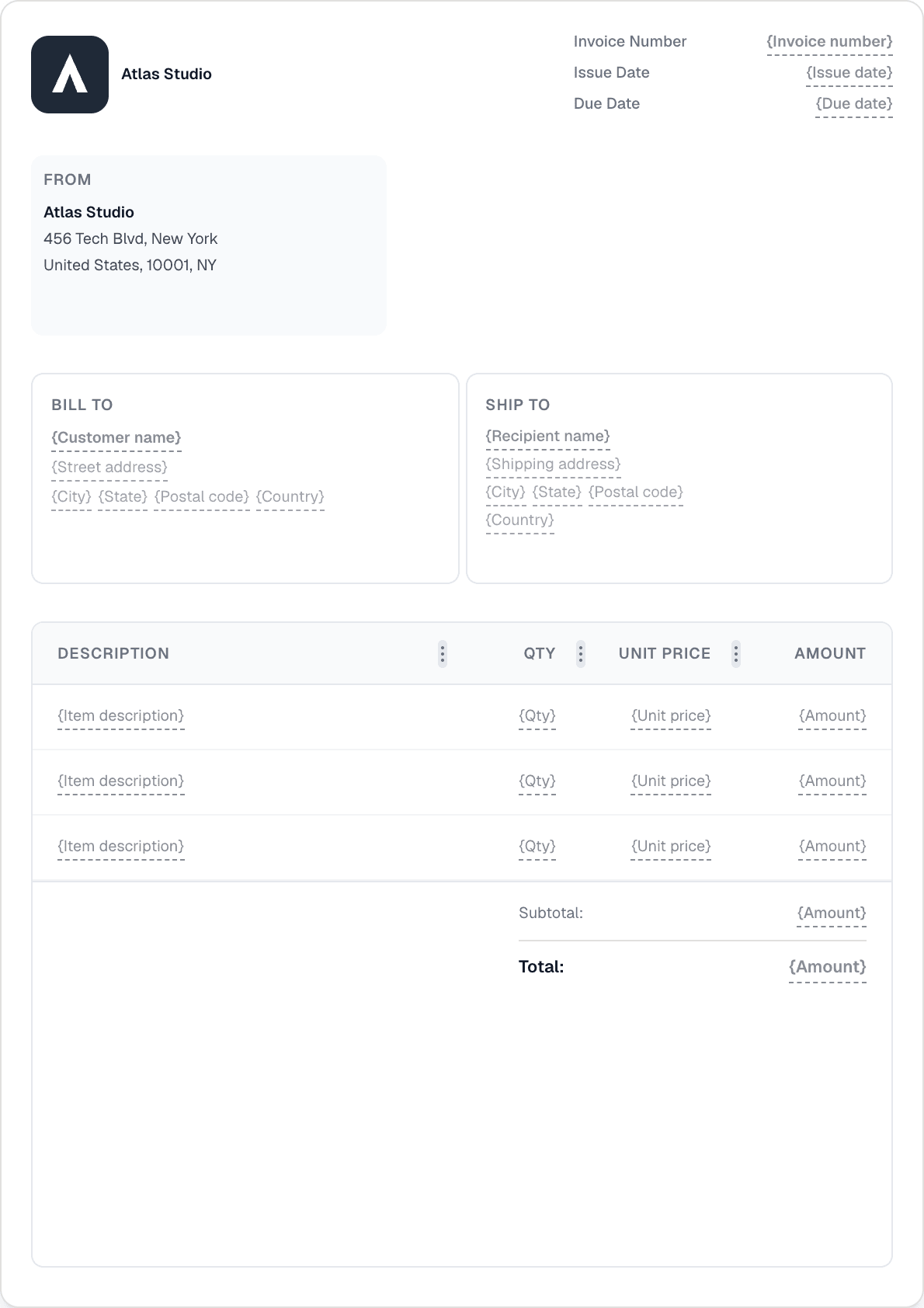
Invotify's Pro and Lifetime plans export every invoice as a standards-based structured file — UBL 2.1, CII (covering XRechnung and Factur-X) and Peppol BIS 3.0 — all built on the EN 16931 semantic model that Latvia requires. You design and send the invoice once, then generate the compliant XML from the invoice's Actions menu.

The workflow stays simple: create and send the invoice as you do today, export the e-invoice file, and deliver it via your e-adrese or your Peppol access point. When a customer's EU VAT number has been VIES-validated in Invotify, it is included in the structured file — the documentary evidence that justifies reverse-charge treatment on cross-border invoices.

Invotify is built in the EU with a full Latvian-language interface, EUR alongside 30+ currencies, and country-standard VAT defaults, so a Rīga-based freelancer and their accounting firm see the same numbers in the same format. As the 2026 reporting and 2028 B2B deadlines approach, your documents are already in the right structured shape — no manual XML.

Are e-invoices mandatory in Latvia in 2026?
For the public sector, yes: B2G e-invoices have been mandatory since 1 January 2025, and from 1 January 2026 structured e-invoice data must also be reported to the State Revenue Service (VID) for B2G and G2G transactions. General domestic B2B e-invoicing is not yet mandatory in 2026 — it becomes mandatory on 1 January 2028, with voluntary exchange supported from 30 March 2026.
Which e-invoice format should a Latvian business use?
Peppol BIS Billing 3.0 is the primary format in the Latvian framework, built on UBL 2.1 syntax, which is also accepted. Both are bindings of the European EN 16931 standard. Invotify exports Peppol BIS 3.0, UBL 2.1 and CII, so you are covered whichever your counterparty or platform expects.
Does Invotify deliver invoices into e-adrese automatically?
Invotify generates the compliant structured XML file, which you download and deliver via your e-adrese or your Peppol access point. Transmission into those channels is handled by the channel itself — the same pattern used across EU national platforms. You always keep a compliant file you can archive, resend or hand to your accountant.

Related Resources

Related Articles

Ready to send your first invoice?

Create a professional invoice in under a minute. No design skills needed.