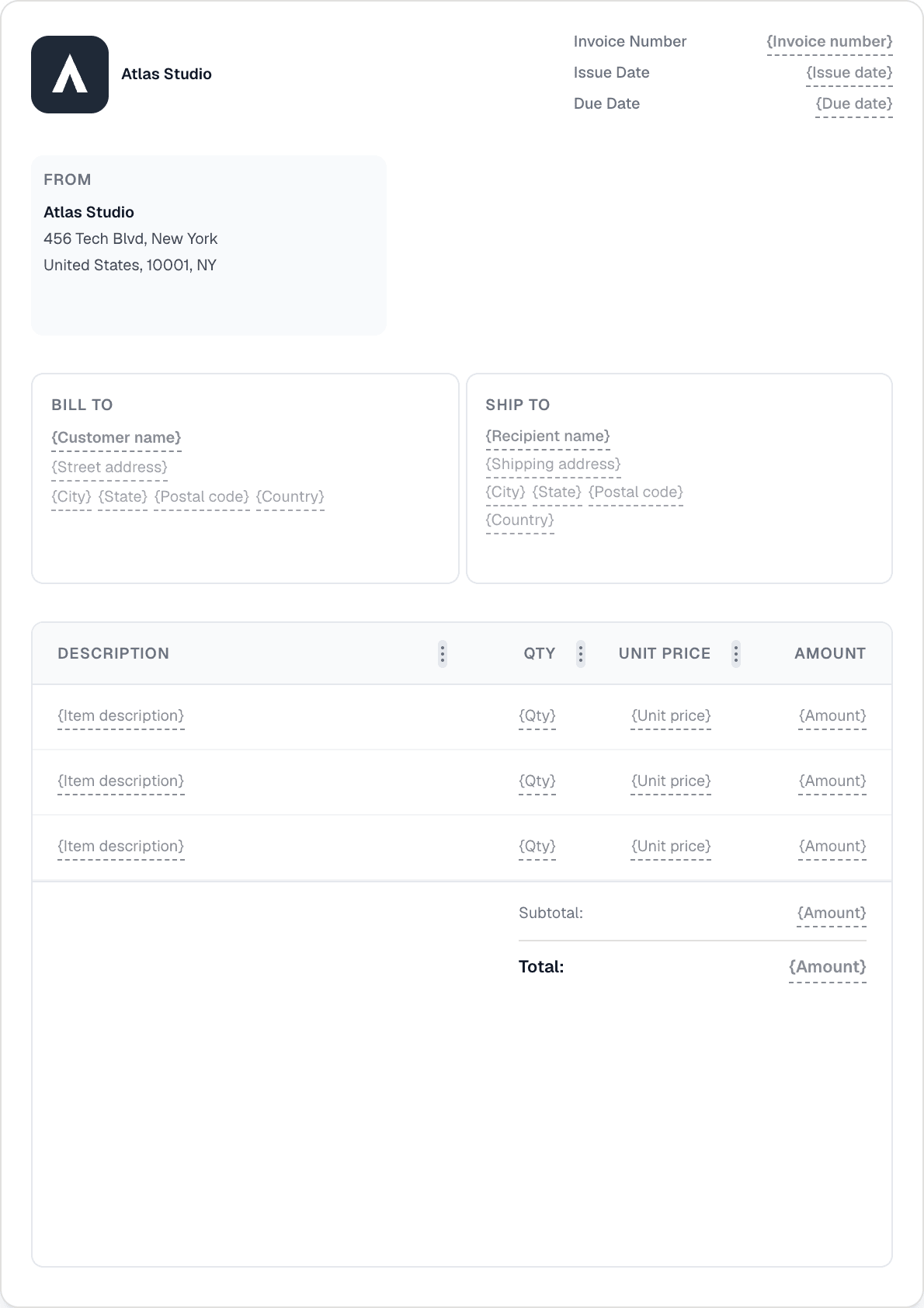

Rēķins ir komerciāls dokuments, ko pārdevējs izraksta pircējam, lūdzot samaksu par piegādātajām precēm vai sniegtajiem pakalpojumiem, norādot maksājamās summas un apmaksas termiņu.
Rēķins ir formāls maksājuma pieprasījums. To izraksta pārdevējs (piegādātājs) pircējam (klientam) pēc preču piegādes vai pakalpojumu sniegšanas — vai avansam. Rēķins minimāli identificē puses, apraksta pārdoto, norāda cenu un jebkurus piemērojamos nodokļus, un precizē apmaksas termiņu. Kopā šie elementi abām pusēm sniedz kopīgu darījuma uzskaiti.
Rēķini pilda vairākas biznesa un juridiskas funkcijas. Pārdevējam rēķins ir ieņēmumu atzīšanas aktivizētājs un avots debitoru parādu uzskaitei. Pircējam tas pilnvaro kreditorparādu apmaksu un nodrošina dokumentu, kas nepieciešams PVN vai tirdzniecības nodokļa atskaitīšanai. Nodokļu iestādēm rēķini ir galvenā PVN/GST atbilstības revīzijas taka. Lielākā daļa jurisdikciju pieprasa uzņēmumiem izrakstīt rēķinus par apliekamajiem piegādājumiem un glabāt tos noteiktā termiņā.
Atbilstoša rēķina saturs atšķiras pēc valsts un darījuma veida, taču parasti ietver: unikālu rēķina numuru, rēķina datumu, pārdevēja nosaukumu, adresi un nodokļu reģistrācijas numuru, pircēja nosaukumu un adresi, preču vai pakalpojumu aprakstu, daudzumu, vienības cenu, piemērojamās nodokļu likmes un summas, kopējo apmaksājamo summu, apmaksas termiņu un bankas konta vai maksājuma metodes datus.
Invotify bloku bāzēts rēķinu veidotājs ļauj sakārtot tieši tos laukus, kas nepieciešami jūsu rēķiniem, ģenerēt precīzu PDF, nosūtīt to klientam ar maksājuma saiti (Pro) un sekot, kad viņš to atver. Katrā rindā var piemērot divas neatkarīgas nodokļu likmes, iestatīt apmaksas termiņus un automatizēt atkārtotus rēķinus.
Rēķins ir komercdokuments, ko pārdevējs izraksta pircējam, lai pieprasītu samaksu par jau piegādātām precēm vai pakalpojumiem. Tajā detalizēti norādīts, kas tika piegādāts, parādsummas, piemērojamie nodokļi un datums, līdz kuram jāveic samaksa.
Pilnīgs rēķins parasti ietver unikālu rēķina numuru, izrakstīšanas un apmaksas datumus, pārdevēja un pircēja datus, pozīciju sadalījumu ar daudzumiem un cenām, jebkurus nodokļus, piemēram, PVN, un kopējo maksājamo summu. Šie elementi padara dokumentu skaidru, izsekojamu un piemērotu grāmatvedībai.
Rēķins ir formāls samaksas pieprasījums un, tiklīdz tas izrakstīts par piegādātām precēm vai pakalpojumiem, rada ierakstu par parādsummu. Lai gan tas pats par sevi nav līgums, tas ir svarīgs grāmatvedības un nodokļu dokuments, uz kuru abas puses paļaujas, lai izsekotu, kas ir jāmaksā.
Invotify nodrošina bloku redaktoru ar gataviem veidnēm, lai jūs ātri varētu izveidot profesionālus rēķinus. Tas pārvalda secīgu numerāciju, daudzvalūtu kopsummas, nodokļu likmes, maksājumu atgādinājumus un PDF ģenerēšanu, un rezultātu varat piegādāt pa e-pastu vai ar koplietojamu saiti.
Izveidojiet profesionālu rēķinu mazāk nekā minūtē. Nav nepieciešamas dizaina prasmes.