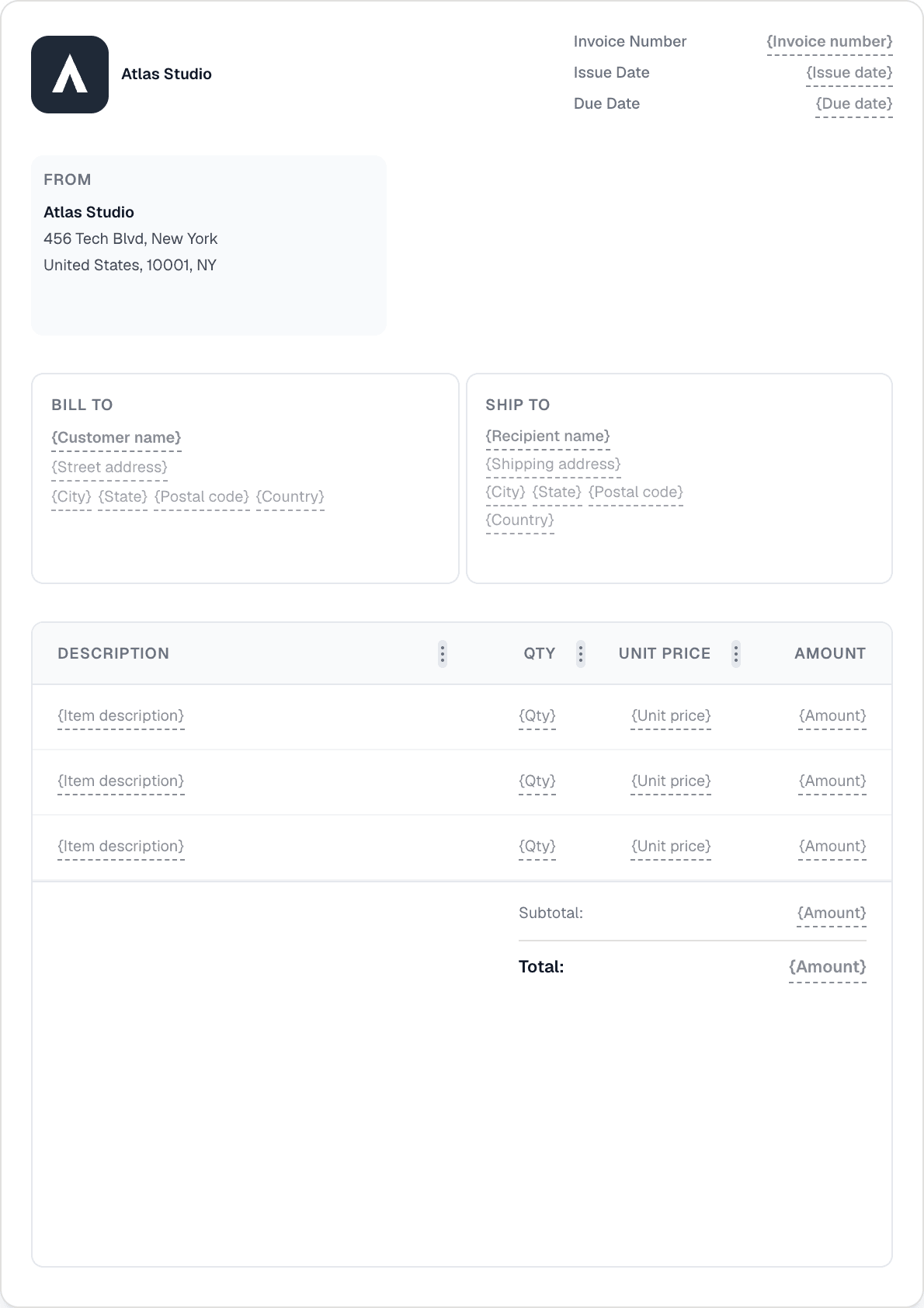

En kreditnota er et dokument utstedt av en selger for å redusere beløpet som skyldes på en tidligere utstedt faktura, brukt ved returer, rettelser eller avtalte rabatter i ettertid.
En kreditnota (også kalt et kreditnotat) utstedes av en selger når beløpet på en tidligere utstedt faktura må reduseres. Vanlige årsaker omfatter: en kjøper returnerte varer, en tjeneste ble ikke levert som avtalt, en faktura inneholdt en feil (feil pris, antall eller avgiftssats), eller en rabatt etter salget ble avtalt. Kreditnotaen kansellerer hele eller deler av det opprinnelige fakturabeløpet, og reduserer det kjøperen skylder.
For mva-formål er en kreditnota et avgiftsdokument. Når en mva-faktura reverseres helt eller delvis, må selgeren utstede en kreditnota som reduserer sin utgående mva og gir kjøperen rett til å justere sitt fradrag for inngående mva tilsvarende. Skattemyndigheter i de fleste jurisdiksjoner krever at kreditnotaer viser til det opprinnelige fakturanummeret, angir årsaken til krediteringen, og viser mva-beløpet som reverseres.
En kreditnota er ikke en tilbakebetalingsinstruksjon eller en betaling. Den justerer regnskapsregistreringene. Hvis en kjøper allerede har betalt den opprinnelige fakturaen, må en separat tilbakebetaling utstedes for å gjøre opp krediteringen kontant; alternativt kan krediteringen anvendes mot en fremtidig faktura. Mange virksomheter holder oversikt over utestående kredittsaldoer og anvender dem i neste faktureringssyklus.
Invotify inkluderer kreditnotaer som en innebygd dokumenttype (alle planer). Du kan utstede hele eller delvise krediteringer, knytte hver kreditnota til sin opprinnelige faktura, anvende krediteringer mot utestående fakturaer, og generere en kreditnota i PDF. Kreditnotaer har sin egen sekvensielle nummerserie og statuslivssyklus (utkast → utstedt → anvendt → annullert). Doble avgiftssatser per linje sikrer at mva-reverseringen registreres korrekt.
En kreditnota er et dokument utstedt av en selger for å redusere beløpet som skyldes på en tidligere utstedt faktura. Den brukes ved returer, rettelser eller avtalte rabatter etter at den opprinnelige fakturaen allerede er sendt, og den fungerer som en formell registrering av reduksjonen.
En kreditnota justerer beløpet som skyldes i regnskapet — den kansellerer eller reduserer en utestående saldo, eller skaper kreditt kunden kan anvende på fremtidige kjøp. En tilbakebetaling er den faktiske returneringen av betalte penger. En kreditnota kan føre til en tilbakebetaling, men de to er separate trinn.
Når en faktura er sendt og registrert, bør du ikke bare endre den, fordi det bryter revisjonssporet og mva-registreringene dine. En kreditnota lar den opprinnelige fakturaen være urørt og dokumenterer rettelsen separat, slik at regnskapet ditt holdes rent og sporbart.
Invotify lar deg utstede kreditnotaer som er knyttet til den opprinnelige fakturaen, slik at forholdet mellom dokumentet og justeringen bevares. Kreditnotanummerering er sekvensiell og unik, noe som holder registreringene dine konsistente for regnskap og mva.
Opprett en profesjonell faktura på under ett minutt. Ingen designferdigheter nødvendig.