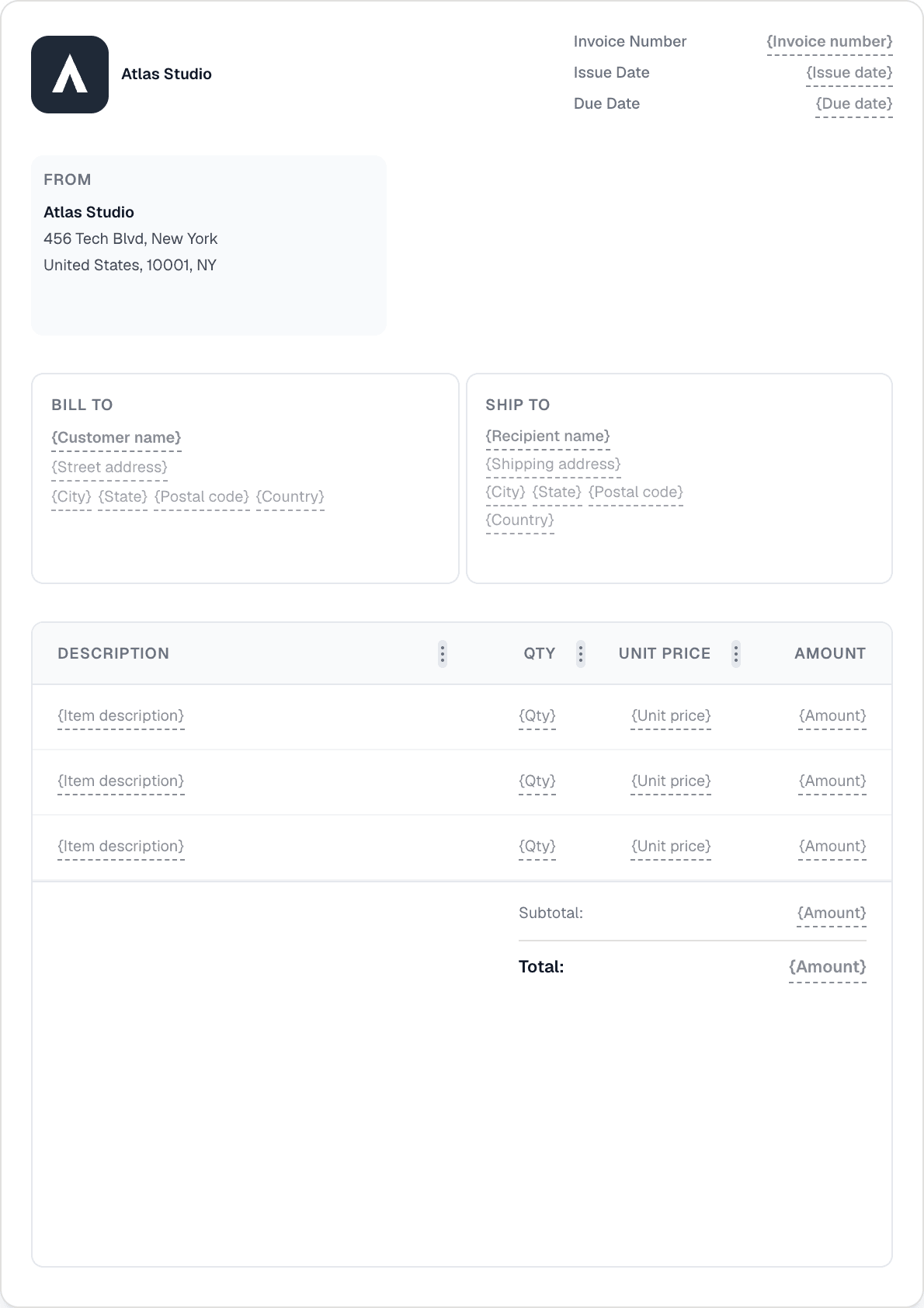

A proforma invoice is a preliminary document that looks like an invoice but is not a demand for payment — it declares the expected value of goods or services before delivery.
A proforma invoice (also written pro-forma) is a document issued before a transaction is finalised. Structurally it resembles a real invoice — it lists the seller and buyer, describes the goods or services, and states prices — but it is not a legal demand for payment. It is an advance declaration of what a commercial invoice will look like, used to give the buyer a formal price commitment or to satisfy an administrative requirement before the actual sale is complete.
Common uses of proforma invoices include: in international trade, customs authorities often require a proforma to assess duties and grant import licences before the shipment moves; buyers use them to obtain import permits or open letters of credit; companies use them as internal budget-approval documents; and sellers use them to confirm prices for a buyer who needs to arrange financing before committing.
A proforma invoice typically carries a statement such as 'This is not a tax invoice' or 'Proforma only' to prevent it from being confused with a VAT invoice. Once the transaction is confirmed and goods or services are delivered, a commercial (tax) invoice is issued to replace the proforma. The proforma is not recorded in the seller's accounts receivable and the buyer cannot use it to reclaim VAT.
Most invoice software, including Invotify, does not offer a dedicated 'proforma' document type, because a proforma is functionally a quote with specific wording. In practice you can use Invotify's quote builder to create a proforma-style document — it is a non-binding price declaration — and add a text block or note clarifying it is a proforma. When the transaction is confirmed, convert it to an invoice.
A pro forma invoice is a preliminary document that looks like an invoice but is not a demand for payment. It declares the expected value of goods or services before delivery, so the buyer can see the costs and terms in advance and decide whether to proceed.
A commercial invoice is the binding request for payment issued after delivery and is recorded in your accounts and VAT returns. A pro forma is issued beforehand, carries no sequential invoice number for tax purposes, and does not create an accounting liability.
They are common for advance payments, customs declarations of value, and confirming an order before work begins or goods ship. They give the buyer a clear estimate of what they will owe without yet triggering a formal payment obligation.
You can use Invotify's quotes to send a non-binding price proposal before delivery, and convert an accepted quote into a proper invoice in one click when it is time to bill. This keeps the pre-sale estimate separate from the formal, numbered invoice.
Create a professional invoice in under a minute. No design skills needed.