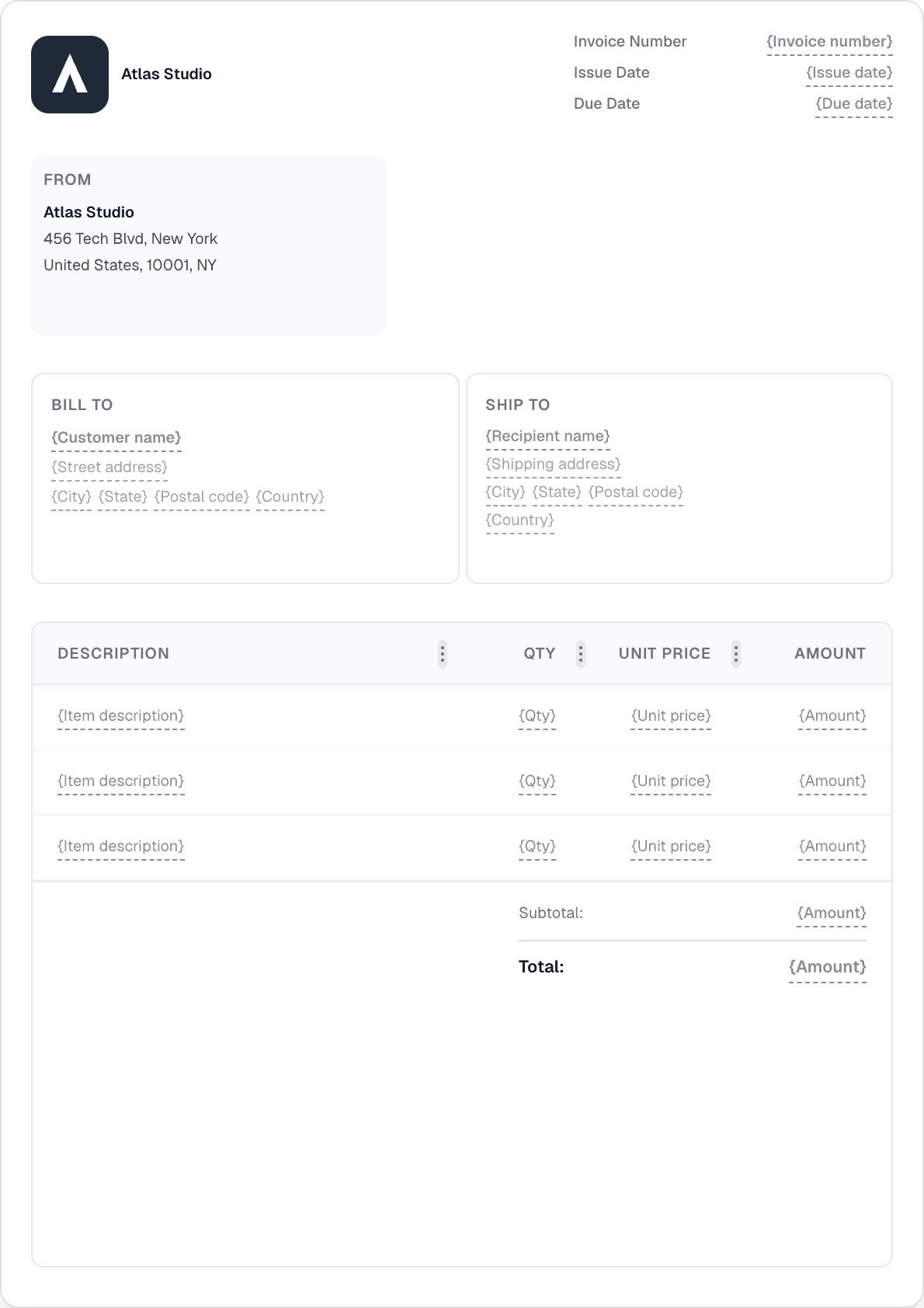

A quote (or quotation) is a non-binding price proposal before work begins; an invoice is the binding payment request after goods or services are delivered.
A quote (also called a quotation, estimate, or proposal) is a document a seller sends to a potential buyer before any work is done. It describes the proposed scope of work or goods, the estimated price, and any terms. Crucially, a quote is not a demand for payment — it is an offer. The buyer can accept, reject, or negotiate. Only once both parties agree do the services or goods get delivered.
An invoice, by contrast, is issued after delivery. It is a legally binding request for the amount owed and typically triggers a payment obligation. An invoice references what was agreed (sometimes the accepted quote number) and states a specific amount due, a due date, and payment instructions. Unlike a quote, the amounts on an invoice are not estimates — they are what the buyer owes.
The document flow in a typical B2B transaction goes: quote → acceptance → delivery → invoice → payment. In practice, many businesses use quotes as a sales tool and invoices as the accounting document. Misunderstanding the distinction can lead to disputes — a client may treat a quote as a final price and object to a higher invoice, or a seller may try to collect payment on a quote (which is not a valid payment demand in most jurisdictions).
Invotify supports both document types with the same 22-block builder. You can draft a quote, send it to the client, and convert it to an invoice in one click once they accept. Progress invoicing lets you bill a large quote in multiple milestone phases. Both invoices and quotes generate professional PDFs and can be shared with a tracking link.
A quote (or quotation) is a non-binding price proposal given before any work begins, telling the customer what something will cost. An invoice is the binding request for payment issued after the goods or services have been delivered.
A quote is generally not a demand for payment; it is an offer that sets out expected prices and terms while the customer decides whether to proceed. It can become binding once the customer accepts it and work is agreed, at which point an invoice typically follows on completion.
Send a quote when a customer wants to know the cost before committing, so they can review and approve the scope and price. Send an invoice once the work is done or the goods are delivered, to formally request payment for the agreed amount.
Yes. Invotify supports one-click conversion of an accepted quote into an invoice, so you do not re-enter the details. It also offers progress invoicing, letting you bill a single quote in stages as a project advances.
Create a professional invoice in under a minute. No design skills needed.