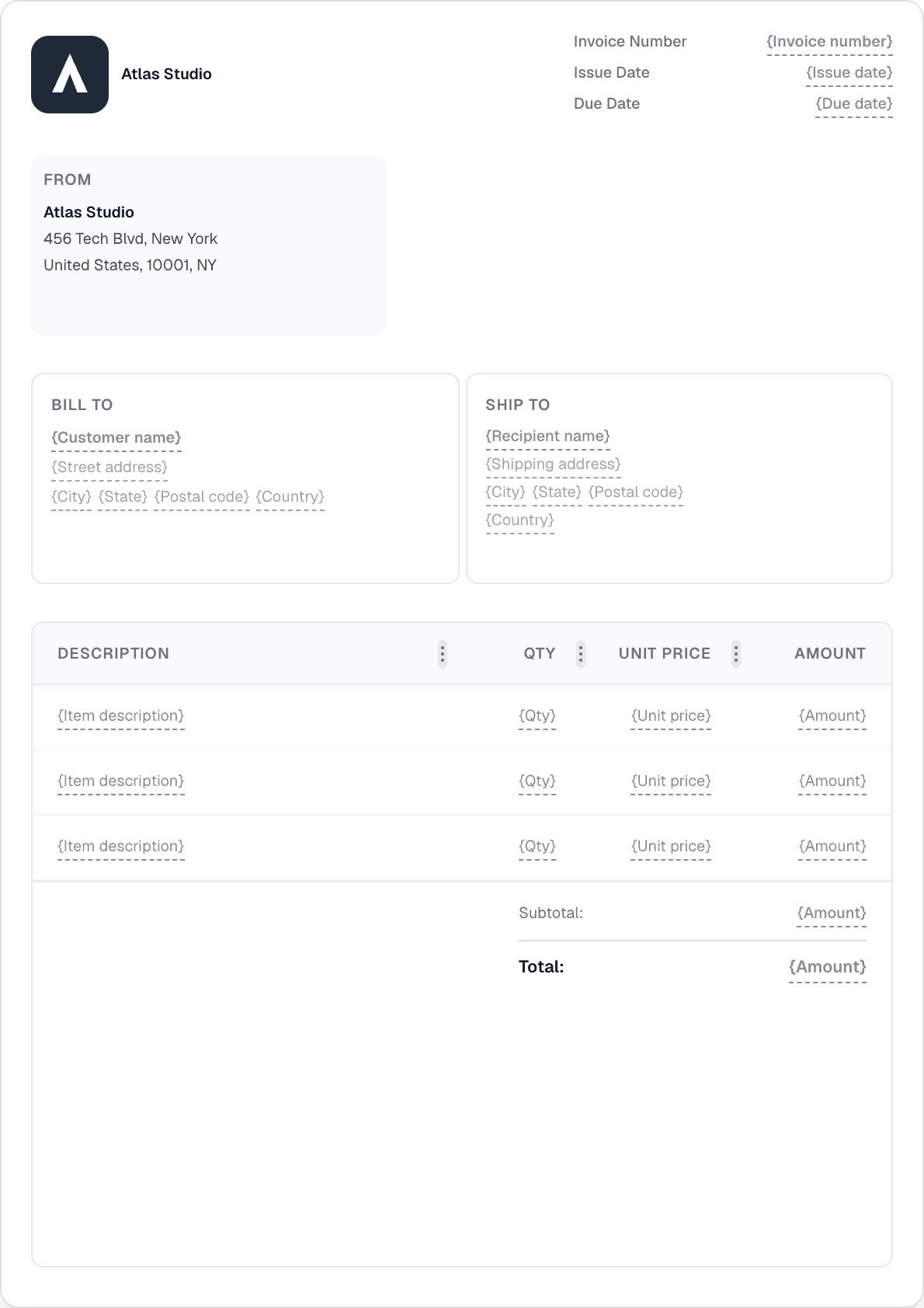

Net 30 is a payment term meaning the full invoice amount is due within 30 days of the invoice date.
Net 30 is one of the most common invoice payment terms. It means the buyer must pay the full amount of the invoice within 30 days of the invoice date (not the delivery date, unless specified otherwise). 'Net' in this context means the total amount due — there is no discount involved in the base term. Related terms include Net 15 (payment in 15 days), Net 60, Net 90, and EOM (end of month).
Payment terms serve a practical cash-flow purpose. From the seller's perspective, shorter terms improve working capital; from the buyer's perspective, longer terms provide more time to process invoices through accounts payable. For B2B relationships, the agreed payment term is often negotiated as part of the commercial arrangement and written into contracts or purchase orders.
Early payment discounts are often combined with net terms, written as '2/10 Net 30' — meaning the buyer can take a 2% discount if they pay within 10 days, otherwise the full amount is due within 30 days. This incentivises early payment while preserving the full net term as a fallback.
Late payment laws in many countries (e.g. the EU Late Payment Directive, UK's Prompt Payment Code) set maximum payment terms and give sellers the right to charge statutory interest on overdue invoices. Invotify lets you set a due date on every invoice (independently from the issue date), define late fees with a grace period, and send automatic overdue reminders — all aimed at keeping payment terms enforceable and collections timely.
Net 30 is a payment term meaning the full invoice amount is due within 30 days of the invoice date. The word "net" indicates the total amount payable after any agreed discounts, and "30" is simply the number of days allowed before payment is late.
Net 30 almost always refers to calendar days, so weekends and holidays are included in the count. Unless your invoice or contract states otherwise, payment is due 30 calendar days after the invoice date, not 30 working days.
Plain Net 30 just sets the due date. A term like "2/10 Net 30" adds an early-payment discount — here, 2% off if paid within 10 days, otherwise the full amount is due in 30 days. Net 15 and Net 60 work the same way with different day counts.
Yes. You can record payment terms such as Net 30 on your invoices, and the due date follows from the issue date. Invotify also supports payment reminders, so customers can be nudged automatically as the due date approaches or passes.
Create a professional invoice in under a minute. No design skills needed.