Stand Juni 2026: Die B2G-E-Rechnung ist seit 2015 verpflichtend (über UJP, e-SLOG über Peppol). Die verpflichtende B2B-E-Rechnung ist für Januar 2027 geplant (von Juni 2026 verschoben), wobei Papierrechnungen für B2B ab Januar 2028 enden. Bestätigen Sie die aktuellen Zeitpläne bei UJP / dem Finanzministerium.
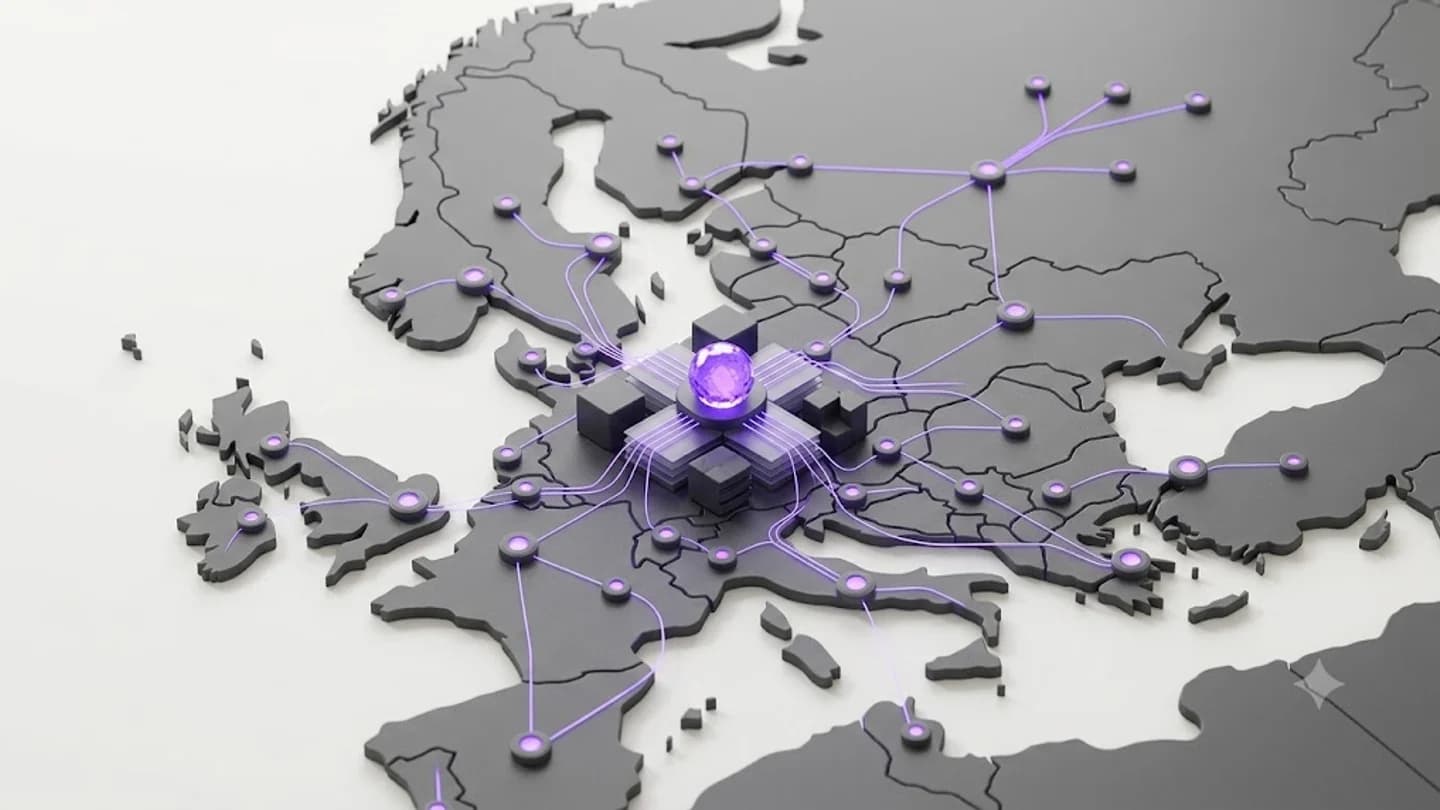
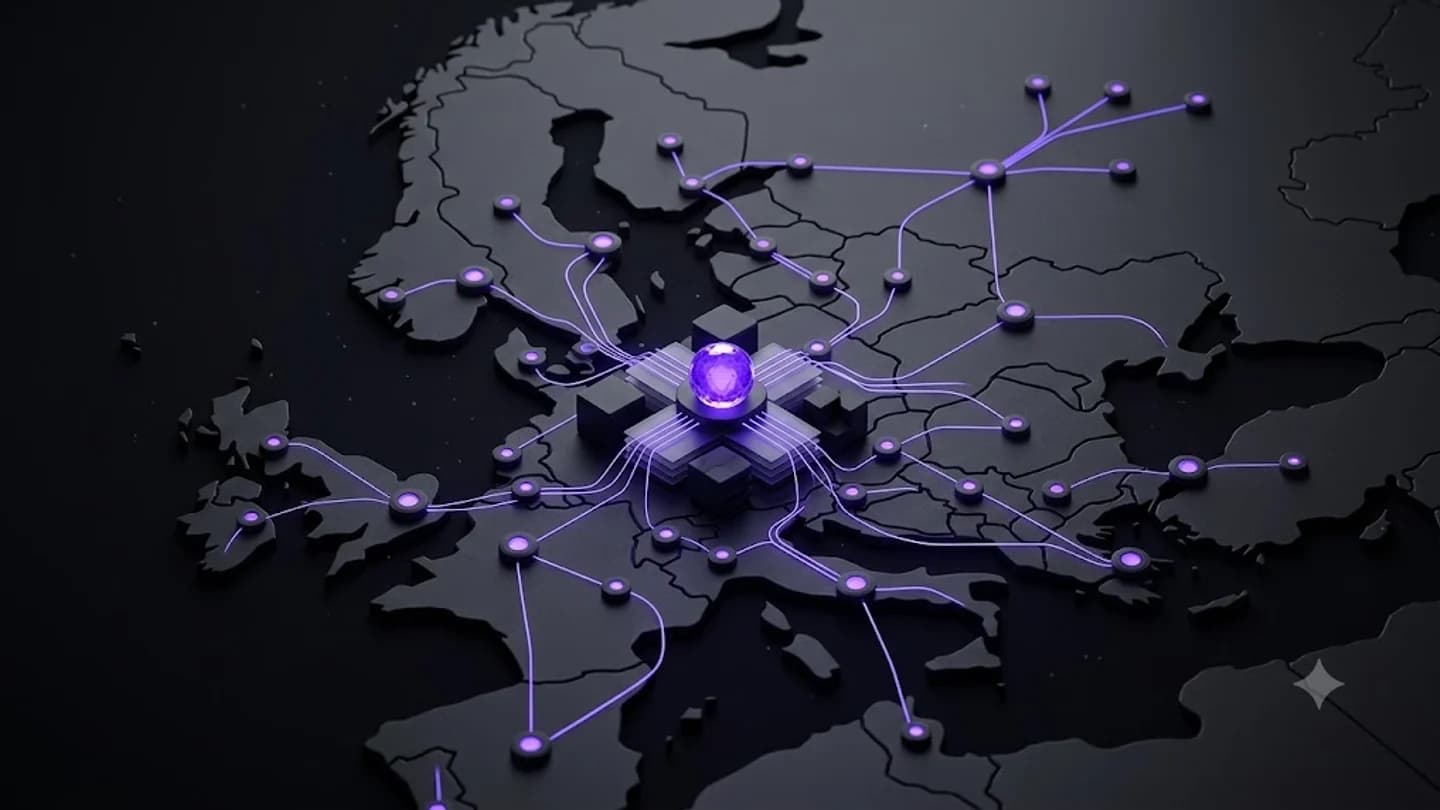
Slowenien war ein früher Anwender: Die B2G-E-Rechnung ist seit 2015 verpflichtend, wobei Rechnungen an den öffentlichen Sektor über das UJP-Portal im nationalen e-SLOG-Standard eingereicht werden, der nun an das Peppol-Netzwerk angebunden ist. Für B2B wurde die verpflichtende E-Rechnung vom 1. Juni 2026 auf den 1. Januar 2027 verschoben, und Papierrechnungen werden für B2B ab dem 1. Januar 2028 nicht mehr akzeptiert. Der e-SLOG-Standard umfasst das nationale XML, UBL 2.1 und UN/CEFACT CII; Interoperabilität ist das Standardmodell, mit Austausch über Peppol oder registrierte Anbieter. Bemerkenswert ist, dass ein späterer Entwurf die frühere direkte Meldepflicht an die Steuerbehörde (FURS) gestrichen hat — Unternehmen tauschen E-Rechnungen über Anbieter, Peppol oder ihre eigenen Systeme aus, statt jede Rechnung über den Staat zu clearen.
Invotify Pro exportiert Ihre Rechnungen als UBL 2.1, CII oder Peppol BIS 3.0 — die EN-16931-konformen Formate, die der slowenische e-SLOG-Standard und das Peppol-Netzwerk akzeptieren. Ob Sie heute den slowenischen öffentlichen Sektor beliefern oder sich auf die B2B-Pflicht 2027 vorbereiten — Invotify erzeugt die strukturierte Datei, und Sie liefern sie über einen Peppol-Zugangspunkt oder registrierten Anbieter aus. Die E-Rechnung ist eine Pro-Funktion.
Die B2G-E-Rechnung ist seit 2015 verpflichtend — Rechnungen an den öffentlichen Sektor laufen über das UJP-Portal im e-SLOG-Standard über Peppol. Für B2B ist die verpflichtende E-Rechnung für den 1. Januar 2027 geplant (von Juni 2026 verschoben), und Papierrechnungen werden für B2B ab dem 1. Januar 2028 nicht mehr akzeptiert. Bestätigen Sie den aktuellen Zeitplan bei UJP oder dem Finanzministerium.
e-SLOG ist Sloweniens nationaler E-Rechnungsstandard. Er umfasst das nationale XML, UBL 2.1 und UN/CEFACT CII und ist für den Austausch an das Peppol-Netzwerk angebunden. Invotify Pro exportiert UBL 2.1, CII und Peppol BIS 3.0 — die standardbasierten Formate, die e-SLOG und Peppol akzeptieren, sodass Ihre Rechnungen sowohl mit dem B2G-Portal als auch mit den geplanten B2B-Regeln übereinstimmen.
Ein späterer Entwurf der slowenischen B2B-Gesetzgebung hat die frühere direkte Rechnungsmeldepflicht an die Steuerbehörde FURS gestrichen. Im aktuellen Modell tauschen Unternehmen E-Rechnungen über registrierte Anbieter, das Peppol-Netzwerk oder ihre eigenen Systeme aus — Interoperabilität statt zentralem Clearing. Dies kann sich noch weiterentwickeln, daher prüfen Sie die aktuellen Regeln bei UJP / dem Finanzministerium.
Invotify Pro erzeugt die strukturierte E-Rechnung (UBL 2.1, CII oder Peppol BIS 3.0); Sie liefern sie über einen Peppol-Zugangspunkt oder einen registrierten Dienstleister aus — für den öffentlichen Sektor über das UJP-Portal. Slowenien nutzt ein Interoperabilitätsmodell, daher gibt es keine einzelne staatliche Plattform, die jede Rechnung durchlaufen muss. Der E-Rechnungs-Export ist eine Pro-Funktion.
Erstellen Sie eine professionelle Rechnung in weniger als einer Minute. Keine Designkenntnisse erforderlich.