EU E-Invoicing अनिवार्यताएं अभी क्यों मायने रखती हैं
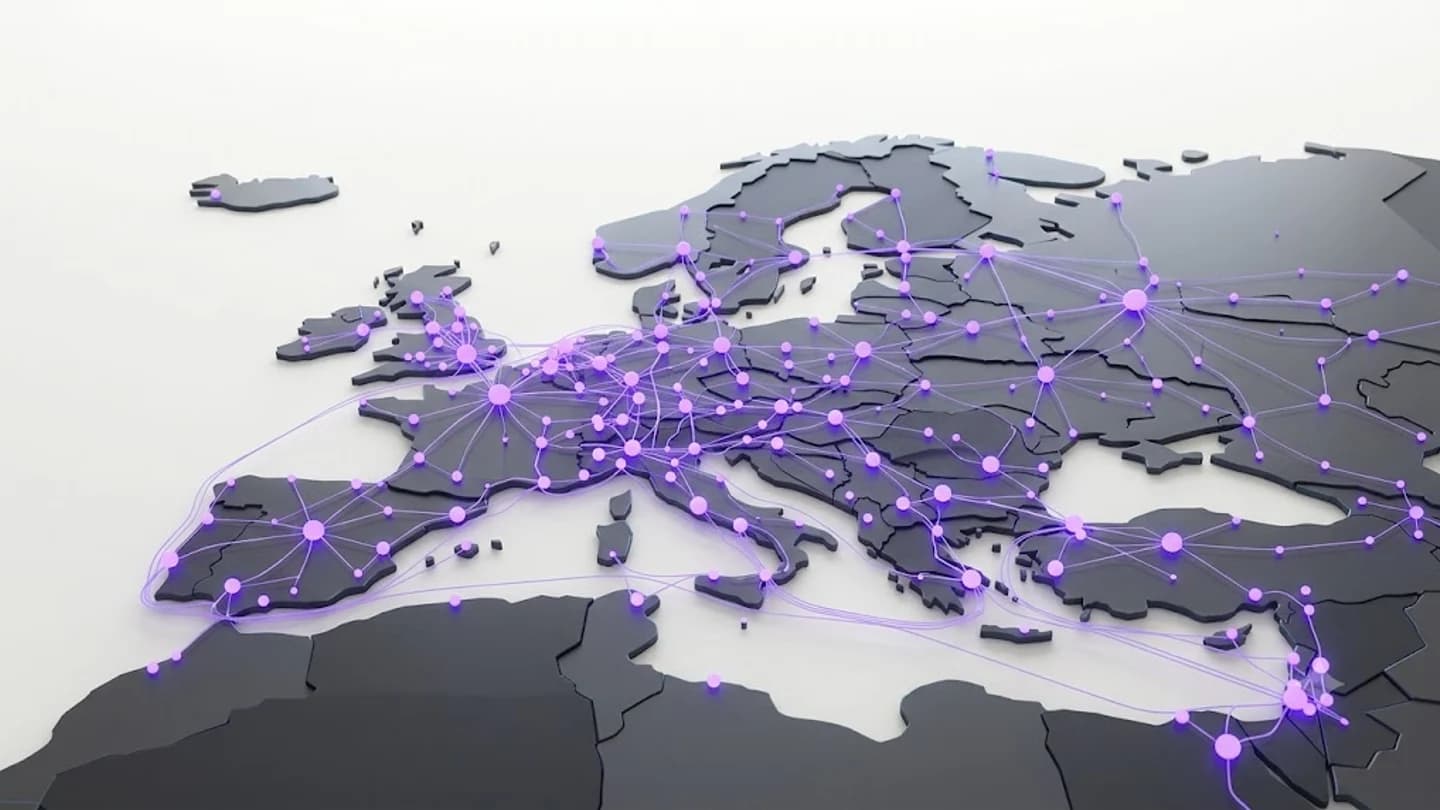
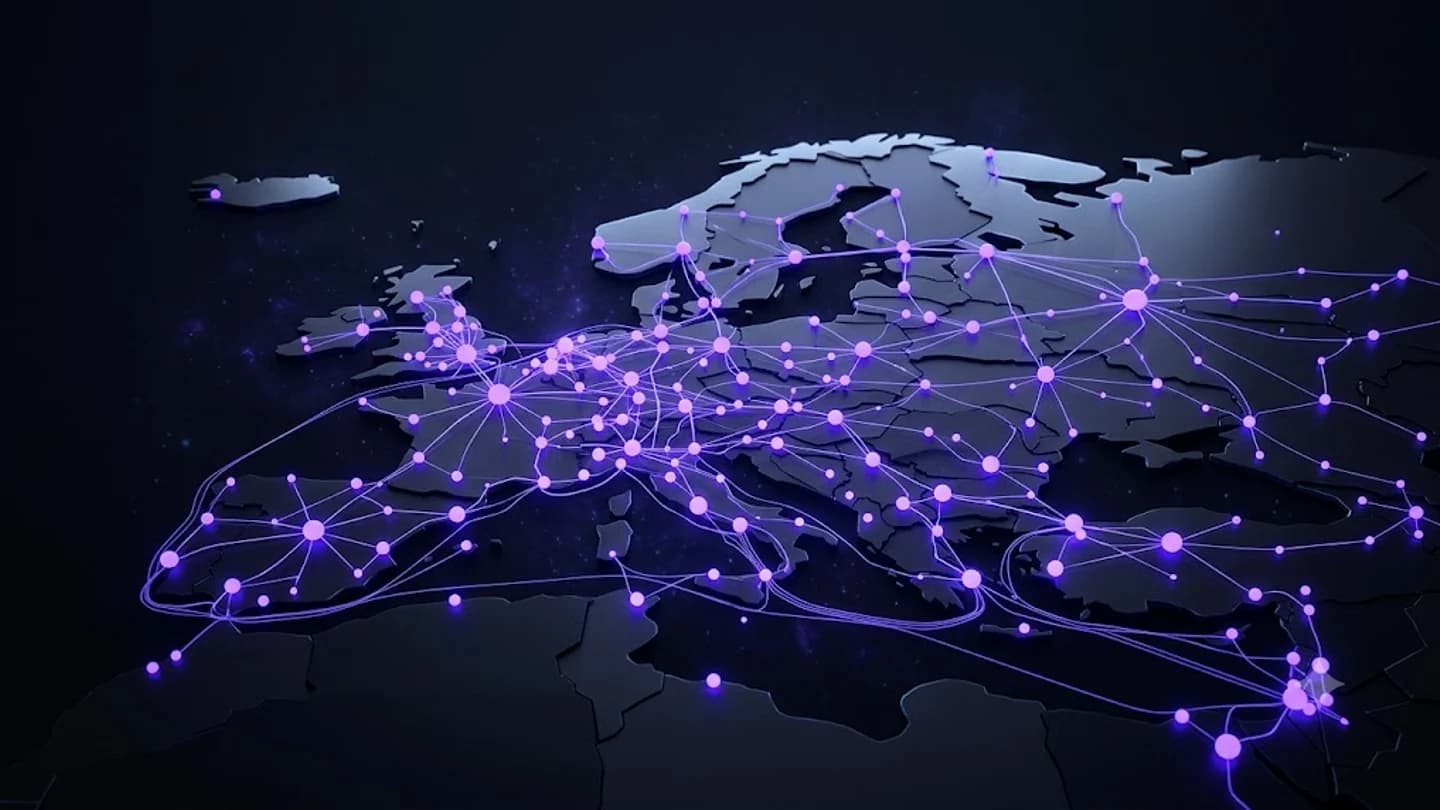
पूरे European Union में, tax authorities voluntary e-invoicing recommendations से legally binding अनिवार्यताओं की ओर बढ़ रहे हैं। लक्ष्य दोहरा है: VAT fraud कम करना (EU में सालाना €93 billion का अनुमान) और machine-readable invoice formats को standardise करके cross-border B2B trade को streamline करना। जर्मनी, फ्रांस, पोलैंड, इटली या स्पेन में बेचने वाले businesses के लिए, compliance अब optional नहीं है — यह defined phased deadlines के साथ एक legal requirement है।
EU-wide ViDA (VAT in the Digital Age) initiative इनमें से कई national mandates को underpin करती है। जबकि प्रत्येक देश अपने नियम और timelines implement करता है, वे एक common technical foundation साझा करते हैं: EN 16931 semantic data model, जो specify करता है कि e-invoice में क्या data होना चाहिए। Permitted syntax formats — UBL 2.1 और CII (UN/CEFACT Cross Industry Invoice) — दोनों EN 16931 के expressions हैं। Peppol BIS 3.0 UBL 2.1 पर बनी एक business interoperability specification है, जो exchange channel के रूप में व्यापक रूप से स्वीकार की जाती है।
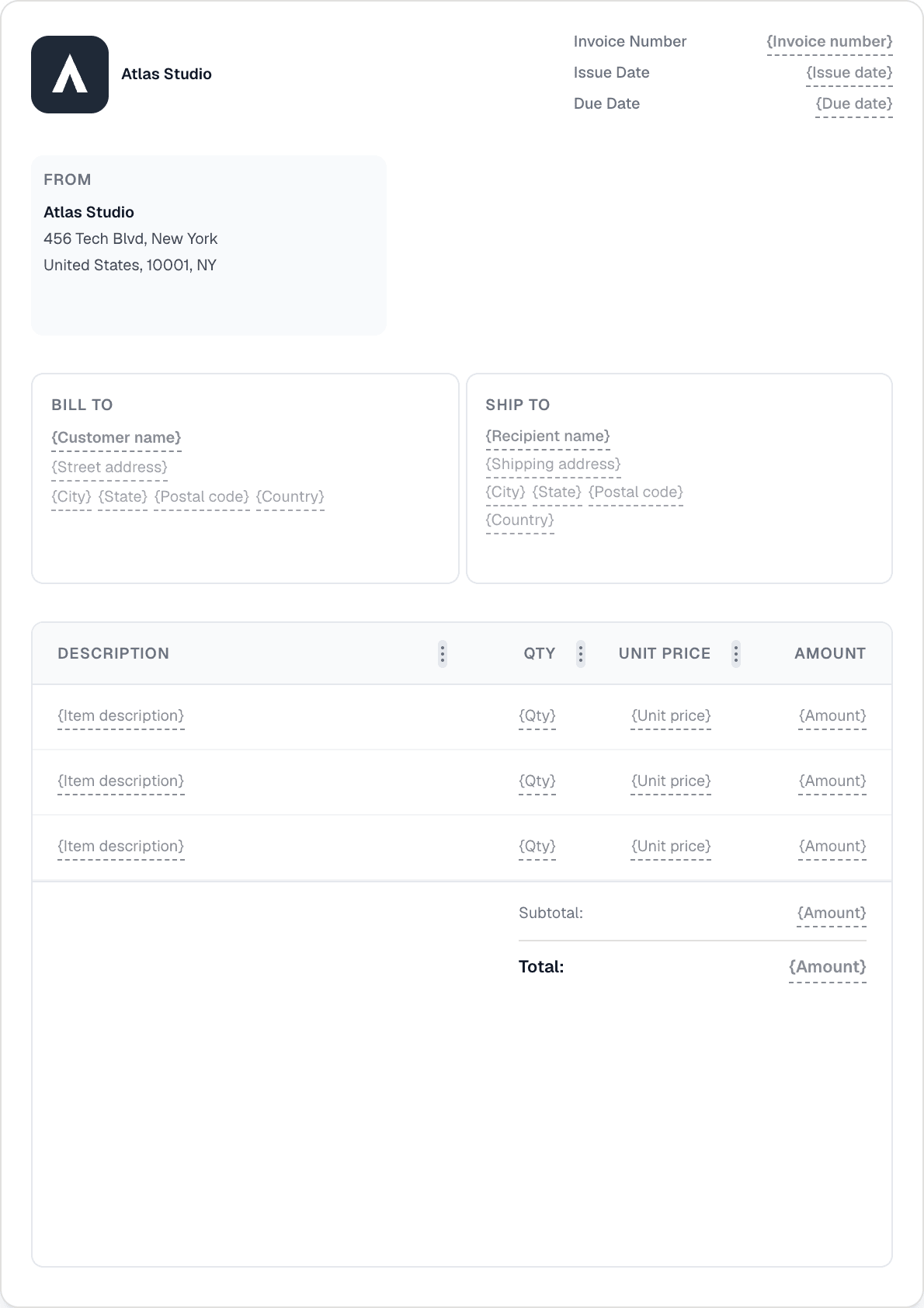
Invotify Pro और Lifetime plans में UBL 2.1, CII (जो XRechnung और Factur-X को cover करती है), और Peppol BIS 3.0 में structured e-invoice export शामिल है। ये तीन formats नीचे covered हर देश में electronic delivery requirements को collectively satisfy करते हैं। वर्तमान mandate deadlines को सीधे relevant national authority से verify करें, क्योंकि implementation timelines सभी पांच देशों में एक से अधिक बार बदली हैं।