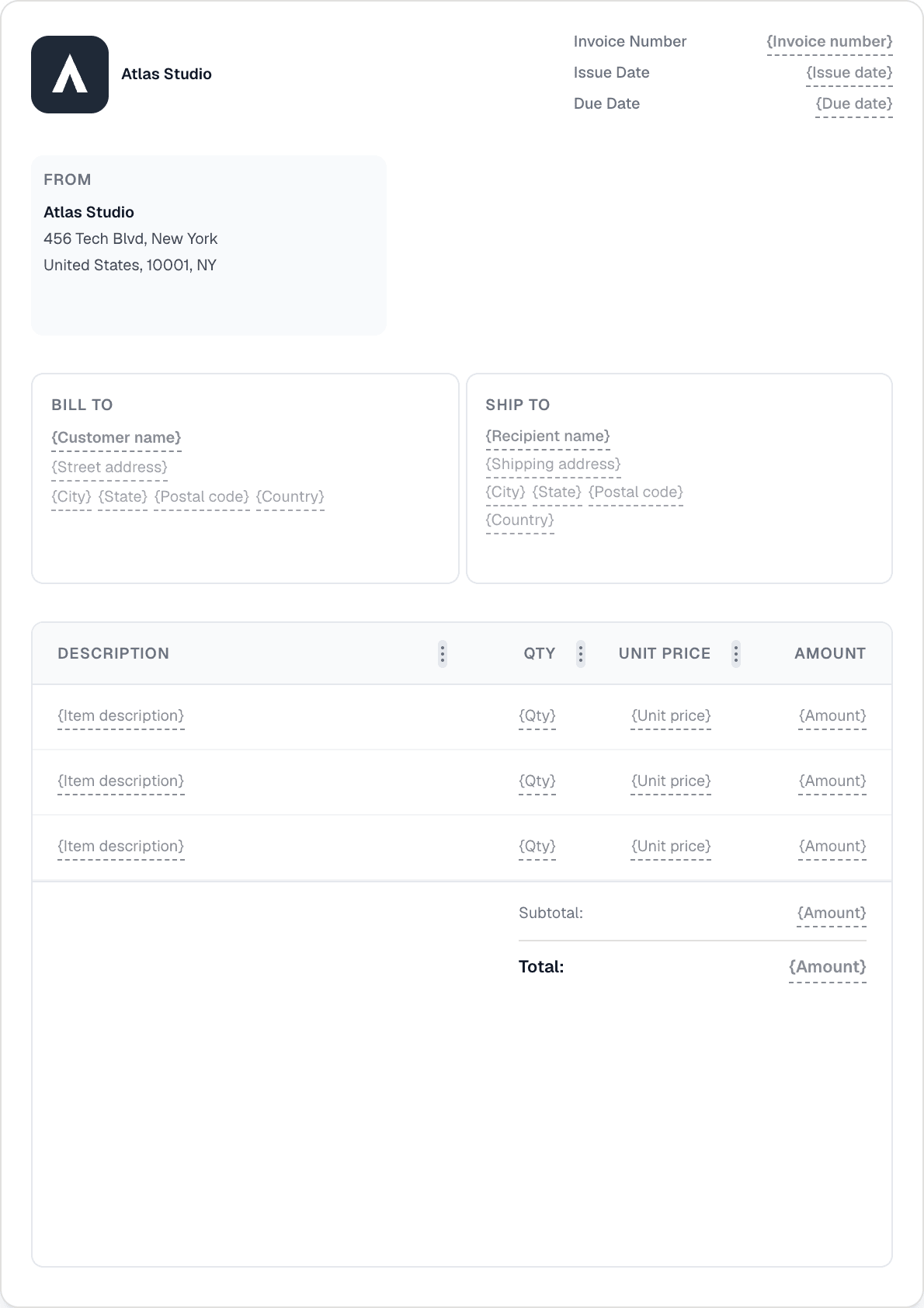

CII er UN/CEFACT-XML-syntaksen for e-fakturaer, brukt som grunnlag for Tysklands XRechnung og Frankrikes Factur-X hybride PDF+XML-format.
CII står for Cross Industry Invoice, fakturadokumentsyntaksen definert av UN/CEFACT (United Nations Centre for Trade Facilitation and Electronic Business) under D16B-utgivelsen. I likhet med UBL er CII en XML-standard, men den bruker et annet elementvokabular og navnerom. EUs e-fakturastandard EN 16931 har to offisielle syntaksbindinger: UBL 2.1 og CII — begge er fullt ut i samsvar med normen, slik at handelspartnere og plattformer kan velge hvilken som helst.
CII er mest fremtredende i to nasjonale e-fakturasammenhenger. I Tyskland er XRechnung en CIUS (Core Invoice Usage Specification) av EN 16931 serialisert i CII — det er det dominerende formatet for tysk offentlig fakturering og utgjør ett av de godkjente strukturerte formatene for det kommende B2B-kravet. I Frankrike er Factur-X (også markedsført som ZUGFeRD i Tyskland) et hybrid PDF+XML-format som legger en CII-XML-fil inne i et PDF/A-3-vedlegg, slik at den blir lesbar for mennesker (PDF-en) og behandlingsbar for maskiner (den innebygde CII-XML-en).
En CII-faktura bruker elementer som ExchangedDocumentContext, SupplyChainTradeTransaction, IncludedSupplyChainTradeLineItem og SpecifiedTradeSettlement. Strukturen skiller seg fra UBL, men bærer den samme informasjonen. Valideringsverktøy spesifikke for CII er tilgjengelige fra de nasjonale standardiseringsorganene (f.eks. KoSIT-validatoren for XRechnung i Tyskland).
Invotify Pro eksporterer CII-XML-filer i samsvar med EN 16931. Eksporten dekker XRechnung-kompatibel utdata for tysk samsvar og leverer XML-komponenten som trengs for Factur-X/ZUGFeRD (Invotify genererer CII-XML-en; å bygge den inn i en PDF/A-3-beholder håndteres av din arbeidsflyt eller et dedikert verktøy). E-fakturering er en Pro-funksjon.
CII (Cross Industry Invoice) er UN/CEFACT-XML-syntaksen for elektroniske fakturaer. Det er en av de to syntaksene som anerkjennes av den europeiske standarden EN 16931, og det tjener som grunnlag for Tysklands XRechnung og Frankrikes Factur-X hybridformat.
CII og UBL er to forskjellige XML-syntakser som begge kan bære det samme EN 16931-fakturainnholdet. CII kommer fra UN/CEFACT og er vanlig i tysk- og fransktalende markeder, mens UBL kommer fra OASIS og ligger til grunn for Peppol. Valget avhenger vanligvis av hva mottakeren eller det nasjonale kravet forlanger.
CII er mye brukt i Tyskland, der XRechnung serialiseres i CII, og i Frankrike, der Factur-X legger en CII-fil inne i en PDF. Mange sentraleuropeiske innkjøpsplattformer godtar eller foretrekker CII-syntaksen for innkommende e-fakturaer.
Ja. Invotify Pro eksporterer CII-XML, som dekker både XRechnung (for tysk offentlig fakturering) og XML-nyttelasten som brukes inne i Factur-X. Du kan generere den fra den samme fakturaen du ville sendt som UBL eller Peppol.
Opprett en profesjonell faktura på under ett minutt. Ingen designferdigheter nødvendig.