A junio de 2026: la facturación electrónica B2G es obligatoria en el formato estructurado CIUS-PT a través de Peppol, con el requisito extendido a las pymes y microempresas desde el 1 de enero de 2026. La facturación electrónica B2B NO es obligatoria, pero todas las facturas deben llevar un código ATCUD y un código QR y proceder de software certificado por la AT, con declaración mensual de facturación SAF-T (PT). El requisito de firma electrónica cualificada (QES) para las facturas en PDF se ha pospuesto repetidamente. Confirme sus obligaciones y la fecha vigente de la QES con la Autoridade Tributária e Aduaneira (AT).
Portugal exige facturas electrónicas estructuradas CIUS-PT para el suministro al sector público (B2G) a través de Peppol, que ahora alcanza a las pymes y microempresas desde el 1 de enero de 2026. La facturación electrónica B2B sigue siendo opcional, pero el régimen de fiscalización más amplio es exigente: cada factura necesita un código único ATCUD más un código QR, debe proceder de software de facturación certificado por la AT y alimenta la declaración mensual SAF-T (PT) al portal e-Fatura. El requisito de QES para las facturas en PDF se aplaza una y otra vez: trate su fecha como provisional.
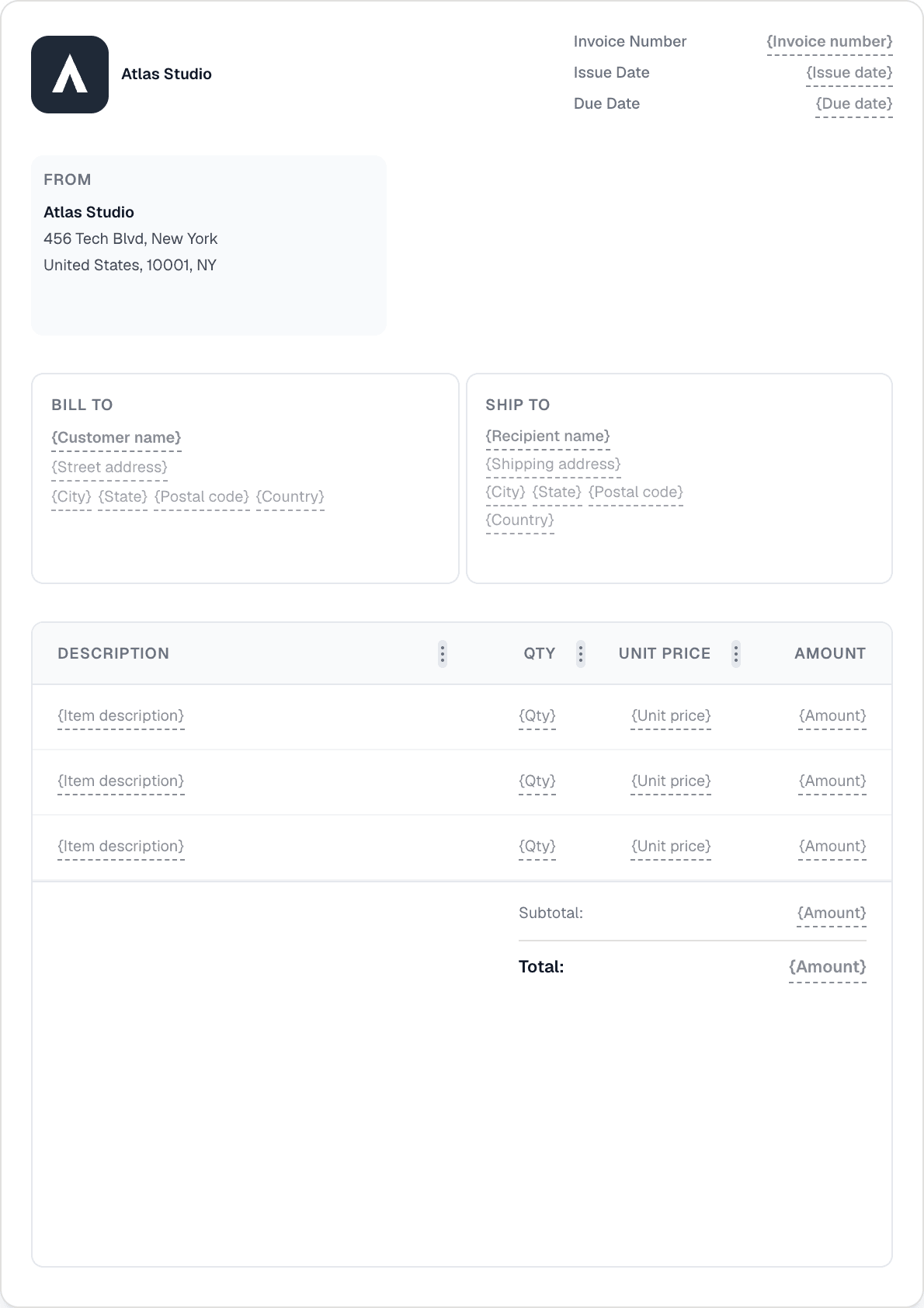
La facturación electrónica Pro de Invotify exporta sus facturas como archivos estructurados limpios y conformes con EN 16931 —UBL 2.1, CII y Peppol BIS 3.0— que se alinean con el marco B2G de Portugal basado en CIUS-PT y Peppol. Le ofrecemos exportación basada en estándares, no una integración propietaria frágil, de modo que puede entregar un XML conforme a su contable, su cadena de facturación certificada o su punto de acceso Peppol. Nota: el sellado ATCUD/código QR, la certificación de software por la AT y la presentación SAF-T (PT) los gestiona el software de facturación portugués certificado por la AT; Invotify complementa esa canalización con una salida estructurada y portátil, y es una función Pro de pago.
No. A junio de 2026 no existe ningún requisito obligatorio de facturación electrónica estructurada B2B en Portugal: las empresas pueden acordar el intercambio de facturas en papel, PDF o electrónicas. El mandato se aplica al suministro B2G (sector público), que debe usar el formato estructurado CIUS-PT a través de Peppol. Confirme siempre la situación más reciente con la Autoridade Tributária e Aduaneira.
El ATCUD es un código único de documento y el código QR es un resumen escaneable; ambos son obligatorios en las facturas portuguesas desde 2023 y dependen de la certificación de software por la AT y de series de documentos registradas. Los produce el software de facturación portugués certificado por la AT, no Invotify. Invotify se centra en la exportación estructurada basada en estándares (UBL 2.1, CII, Peppol BIS 3.0) que complementa esa cadena certificada.
El SAF-T (PT) es un archivo de auditoría normalizado que Portugal utiliza para la declaración fiscal: el SAF-T de facturación se presenta mensualmente al portal e-Fatura, y las obligaciones de SAF-T contable se pospusieron a 2027 para el ejercicio 2026. El SAF-T es una obligación de declaración, distinta de la emisión de una factura electrónica estructurada. La exportación de Invotify le ayuda a producir datos de factura estructurados y portátiles; la presentación del SAF-T sigue correspondiendo a su software de facturación certificado y a su contable.
Invotify Pro exporta UBL 2.1, CII (que cubre XRechnung y Factur-X) y Peppol BIS 3.0 — todos basados en la norma europea EN 16931 que sustenta la CIUS-PT de Portugal. Emitimos deliberadamente estos estándares abiertos en lugar de formatos propietarios nacionales, de modo que la salida sigue siendo interoperable con los puntos de acceso Peppol y los canales B2G.
El requisito de QES para las facturas en PDF se ha pospuesto varias veces en Portugal, por lo que su fecha de entrada en vigor debe tratarse como provisional. Las facturas electrónicas estructuradas y el marco ATCUD/QR son las obligaciones más consolidadas. Compruebe el calendario vigente de la QES directamente con la Autoridade Tributária e Aduaneira antes de fiarse de cualquier fecha concreta.
Crea una factura profesional en menos de un minuto. No se necesitan conocimientos de diseño.