E-Invoicing in Liechtenstein — no mandate, but EN 16931 keeps you ready

As of June 2026: Liechtenstein has no mandatory B2G or B2B e-invoicing mandate. Public contracting authorities must accept and process EN 16931-compliant e-invoices for public contracts above the EU procurement thresholds, but suppliers are not compelled to send them. There is no central e-invoicing platform and Peppol is not the national infrastructure; e-invoices to public bodies are submitted by email. Confirm current rules with the national administration (llv.li).

Liechtenstein's E-Invoicing Situation

Liechtenstein — an EEA member outside the EU, using the Swiss franc (CHF) and in a customs union with Switzerland — has no mandatory e-invoicing requirement for either B2G or B2B transactions. Under its Public Procurement Act (ÖAWG, 2017) and the related ordinance (ÖAWV), public contracting authorities must accept and process e-invoices that comply with the European standard EN 16931 for public contracts above the EU procurement thresholds, but issuing them is voluntary on the supplier side. There is no central e-invoicing platform; structured XML or PDF invoices to public bodies are submitted by email (info.lk@llv.li), and Peppol has not been adopted as national infrastructure, though private businesses may use it by agreement. The Ministry of General Government Affairs and Finance oversees e-invoicing.

How Invotify Helps

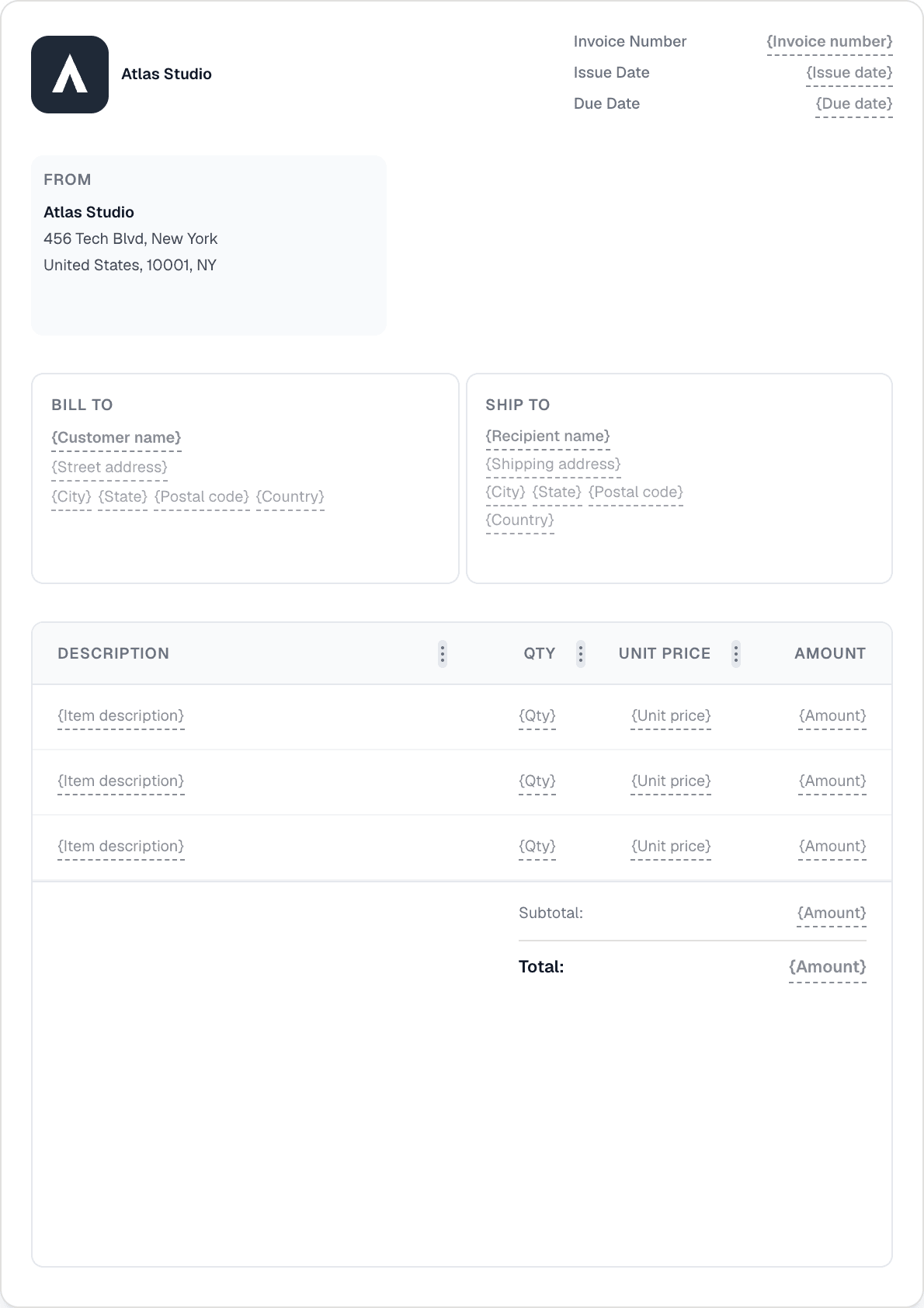
Even without a Liechtenstein mandate, structured e-invoicing is increasingly expected across the EEA, and many of your customers and authorities will accept or prefer EN 16931 documents. Invotify's Pro plan exports standards-based structured e-invoices — UBL 2.1, CII (XRechnung and Factur-X) and Peppol BIS 3.0 — so when a public buyer asks for an EN 16931-compliant XML, or a counterpart agrees to exchange via Peppol, you generate it from the invoice you already designed. Pro keeps you compatible with EU and EEA partners without waiting for a local rule.

  • UBL 2.1
  • CII

E-Invoicing in Liechtenstein —
Frequently Asked Questions

Q01

Is e-invoicing mandatory in Liechtenstein?

No. As of June 2026 there is no mandatory e-invoicing requirement for either B2G or B2B. Public contracting authorities must accept EN 16931-compliant e-invoices for contracts above the EU procurement thresholds, but suppliers are not obliged to issue them, and there is no general business-to-business mandate.

Q02

How do I send an e-invoice to a public body in Liechtenstein?

There is no central platform. E-invoices to public authorities are submitted by email (info.lk@llv.li) in structured XML compliant with EN 16931, or as PDF. Invotify's Pro plan can produce the EN 16931-compliant UBL or CII XML you then send. Always confirm the current submission details with the national administration (llv.li).

Q03

Does Liechtenstein use Peppol?

Peppol is not the national e-invoicing infrastructure in Liechtenstein and is neither mandated nor centrally promoted for public procurement. Private businesses may use Peppol voluntarily if both partners agree. Invotify's Pro plan can export Peppol BIS 3.0 as well as UBL 2.1 and CII for those cases.

Q04

Why send structured e-invoices if there's no mandate?

Structured EN 16931 e-invoicing is increasingly the norm across the EU and EEA, and many buyers and authorities accept or prefer it. Producing standards-based invoices now keeps you compatible with EU and EEA partners and ready if Liechtenstein introduces broader rules. Invotify Pro exports exactly these formats.

Q05

What does Invotify do for Liechtenstein invoicing?

Invotify's Pro plan generates standards-based structured files — UBL 2.1, CII and Peppol BIS 3.0 — from invoices you create and brand. You handle delivery (email to the authority, or Peppol by agreement).

准备好发送您的第一张发票了吗?

不到一分钟即可创建专业发票。无需设计技能。