E-Invoicing in Estonia — buyer-driven e-invoices on EN 16931

As of June 2026: B2G e-invoicing is mandatory, and since 1 July 2025 any business registered as an "e-invoice recipient" in the commercial register can require its suppliers to send structured e-invoices — extending the rule into B2B. A full domestic B2B mandate is proposed but not yet in force, with implementation discussed for around 2027. Confirm current obligations with the Ministry of Finance (rahandusministeerium.ee).

Estonia's E-Invoicing Mandate

Estonia requires e-invoices for all supplies to public-sector entities (B2G). Following amendments to the Accounting Act passed in September 2024, from 1 July 2025 any business — private or public — that has registered as an "e-invoice recipient" in the Estonian commercial register has the right to demand structured e-invoices from its suppliers; for buyers who are not registered, e-invoicing between private parties remains optional. The default format is the European standard EN 16931 (for example Peppol BIS Billing 3.0 or UBL), while the national EVS 923 "e-arve" XML format remains permitted by mutual agreement. A full B2B mandate has been proposed, with implementation discussed for around 2027. The Ministry of Finance leads policy, supported by RIK (the Centre of Registers and Information Systems).

How Invotify Helps

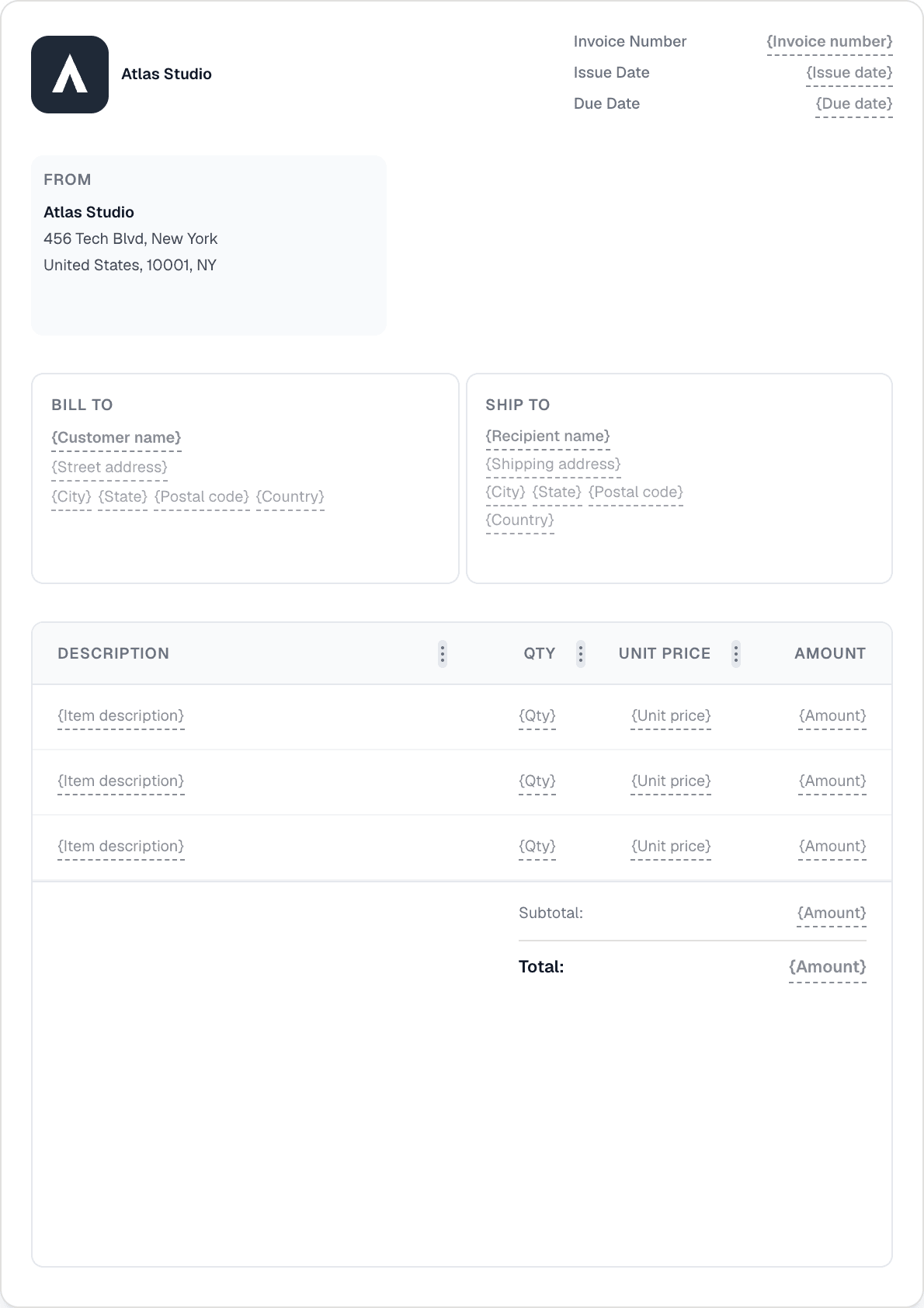
Invotify's Pro plan exports standards-based structured e-invoices — UBL 2.1, CII (XRechnung and Factur-X) and Peppol BIS 3.0 — all built on the EN 16931 model Estonia uses by default. The moment one of your buyers registers as an e-invoice recipient and asks for a structured invoice, you can generate the compliant Peppol BIS 3.0 or UBL file from the same invoice you already designed, and route it through your Peppol access point. Pro keeps you ready for both today's buyer-driven requests and the proposed full B2B mandate, without hand-coding XML.

  • Peppol BIS 3.0
  • UBL 2.1
  • CII

E-Invoicing in Estonia —
Frequently Asked Questions

Q01

Is e-invoicing mandatory in Estonia?

For the public sector, yes — all suppliers to public-sector entities must issue e-invoices (B2G). In the private sector it is buyer-driven: since 1 July 2025, any business registered as an "e-invoice recipient" in the commercial register can require structured e-invoices from its suppliers. Between two unregistered private parties, e-invoicing is still optional.

Q02

What does "registered e-invoice recipient" mean?

Since 1 July 2025, a company can register in Estonia's commercial register as an e-invoice recipient. Once registered, its suppliers must send structured e-invoices in the European EN 16931 format on request. If you sell to such a buyer, Invotify Pro lets you produce the required Peppol BIS 3.0 or UBL file.

Q03

When will full B2B e-invoicing be mandatory in Estonia?

There is no in-force universal B2B mandate as of June 2026. A full B2B requirement has been proposed, with implementation discussed for around 2027, but the final legislation is still pending. Confirm the latest position with the Ministry of Finance (rahandusministeerium.ee).

Q04

What e-invoice formats does Estonia accept?

The default is the European standard EN 16931 — for example Peppol BIS Billing 3.0 or UBL — and the national EVS 923 "e-arve" format remains allowed by mutual agreement. Invotify's Pro plan exports UBL 2.1, CII and Peppol BIS 3.0 so your invoices meet the EN 16931 requirement.

Q05

Does Invotify deliver e-invoices through Peppol for me?

No. Invotify's Pro plan generates the compliant structured file (UBL 2.1, CII or Peppol BIS 3.0); you send it through your Peppol access point or e-invoicing operator.

准备好发送您的第一张发票了吗?

不到一分钟即可创建专业发票。无需设计技能。