2026年6月時点:ルーマニアはEUで最も厳格な電子インボイス制度の一つを擁します。RO e-Facturaプラットフォーム経由の国内B2B電子インボイスは2024年1月1日から義務化(2024年7月1日から完全施行)、B2C報告は2025年1月1日から、さらなる電子報告義務は2026年1月に施行されました。インボイスはRO_CIUS仕様(UBL 2.1/CII)を使用し、5暦日以内にシステムへ提出する必要があります。正確な義務と期限はANAF(Agenția Națională de Administrare Fiscală)にご確認ください。
ルーマニアは、ANAFポータル上のSPV(Spațiul Privat Virtual)からアクセスする政府のRO e-Facturaプラットフォームを通じて、クリアランス方式の義務を運用しています。国内B2B電子インボイスは2024年1月1日から、B2Cは2025年1月1日から義務化されています。インボイスはRO_CIUS仕様(UBL 2.1/CII、EN 16931に基づく)で発行し、発行から5暦日以内にANAFへ送信する必要があります。これは将来の提案ではなく、強力で完全に稼働中の義務であるため、ルーマニアで取引する者にとって構造化出力は不可欠です。
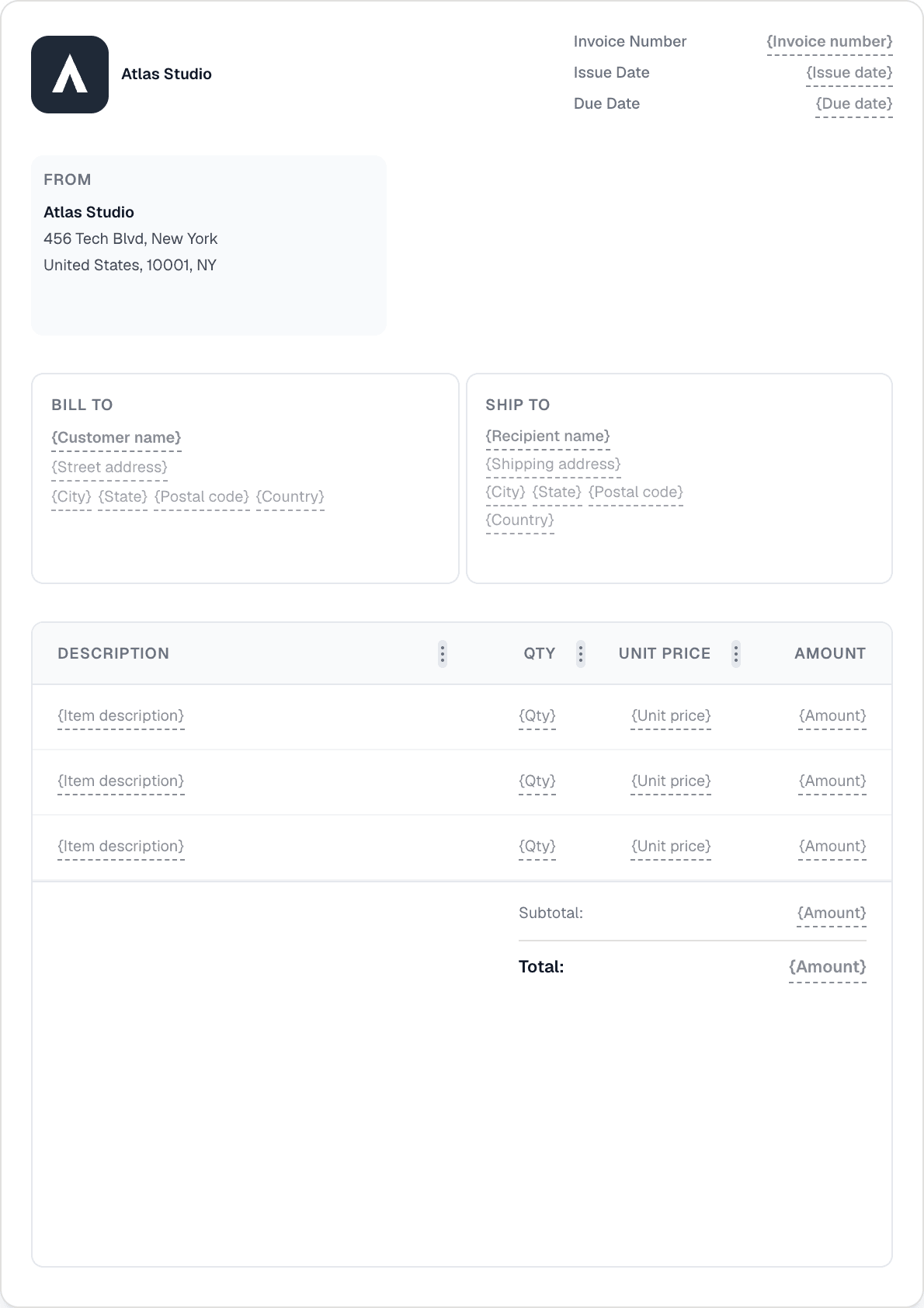
ルーマニアのRO_CIUSはUBL 2.1に基づいており、これはまさにInvotifyのPro電子インボイスがエクスポートするもの、すなわちクリーンでEN 16931準拠のUBL 2.1(およびPeppol BIS 3.0)構造化ファイルです。これにより、その場しのぎのPDFを整形して苦労するのではなく、アクセスポイントや会計士を通じてRO e-Factura/SPV提出フローに投入するための正しい開始形式が得られます。Invotifyは標準ベースのエクスポートのみを提供します。最終的なSPVアップロードとRO_CIUS固有の検証は、お客様のe-Factura提出チャネルが完了します。電子インボイスエクスポートは有料のPro機能です。
はい。RO e-Facturaプラットフォーム経由の国内B2B電子インボイスは2024年1月1日から義務化されており、2024年7月1日から完全施行されています。B2C報告は2025年1月1日に続きました。これは稼働中の施行済み義務です。具体的な範囲やしきい値はANAFにご確認ください。
インボイスはRO_CIUS(ルーマニア・コア請求利用仕様)に従う必要があり、これはUBL 2.1/CIIおよび欧州標準EN 16931の上に構築されています。Invotify ProはEN 16931準拠のUBL 2.1およびPeppol BIS 3.0をエクスポートし、RO_CIUS提出のための互換性のある構造化された開始点を提供します。
SPV(Spațiul Privat Virtual)はANAFポータル上のお客様のプライベート受信箱で、RO e-Facturaはインボイスがクリアされ受領者が利用できるようになる中央プラットフォームです。インボイスは発行から5暦日以内に提出する必要があります。Invotifyは構造化ファイルを生成し、実際のSPV送信はお客様のe-Facturaアクセスポイントまたは会計ソフトウェアが処理します。
いいえ。Invotifyは標準ベースのエクスポート(UBL 2.1およびPeppol BIS 3.0)を提供し、SPVへの直接接続ではありません。準拠ファイルを、最終アップロードとANAFクリアランスのために、お客様のRO e-Factura提出チャネル、アクセスポイント、または会計士に渡します。これにより出力は可搬性が保たれ、プロバイダー間で相互運用可能になります。
RO e-FacturaでのB2C取引報告は2025年1月1日から義務化され、追加の国内電子報告義務は2026年1月に施行されました。制度は厳格化を続けているため、各報告期間の前に現行ルールと期限をANAFにご確認ください。