
Odwrotne obciążenie VAT przenosi obowiązek rozliczenia VAT ze sprzedawcy na nabywcę, powszechnie stosowane w transgranicznych transakcjach B2B w UE.
Zgodnie ze standardową zasadą VAT sprzedawca nalicza VAT od dostaw podlegających opodatkowaniu i przekazuje go organowi podatkowemu. Mechanizm odwrotnego obciążenia odwraca tę zasadę: to nabywca — a nie sprzedawca — rozlicza VAT bezpośrednio we własnej deklaracji VAT. Sprzedawca wystawia fakturę bez VAT, z adnotacją o odwrotnym obciążeniu, a nabywca samodzielnie nalicza VAT według obowiązującej lokalnej stawki.
Odwrotne obciążenie jest szeroko stosowane w transgranicznych transakcjach B2B w UE. Gdy zarejestrowane do VAT przedsiębiorstwo w jednym państwie członkowskim UE świadczy usługi zarejestrowanemu do VAT przedsiębiorstwu w innym, zasady miejsca świadczenia na mocy art. 196 dyrektywy VAT UE zasadniczo przenoszą miejsce świadczenia do kraju nabywcy, ze stosowaniem odwrotnego obciążenia. Nabywca rozlicza VAT (podatek należny) i, jeśli dostawa służy celom działalności gospodarczej, jednocześnie odlicza go jako podatek naliczony — co w większości przypadków daje nabywcy zerowy wynik netto VAT.
Krajowe zasady odwrotnego obciążenia istnieją również w wielu krajach dla konkretnych sektorów, takich jak budownictwo, hurtowy obrót energią, telefony komórkowe i złom, mając na celu zwalczanie oszustw VAT w łańcuchach dostaw podatnych na oszustwa typu „znikający podatnik” (oszustwo karuzelowe).
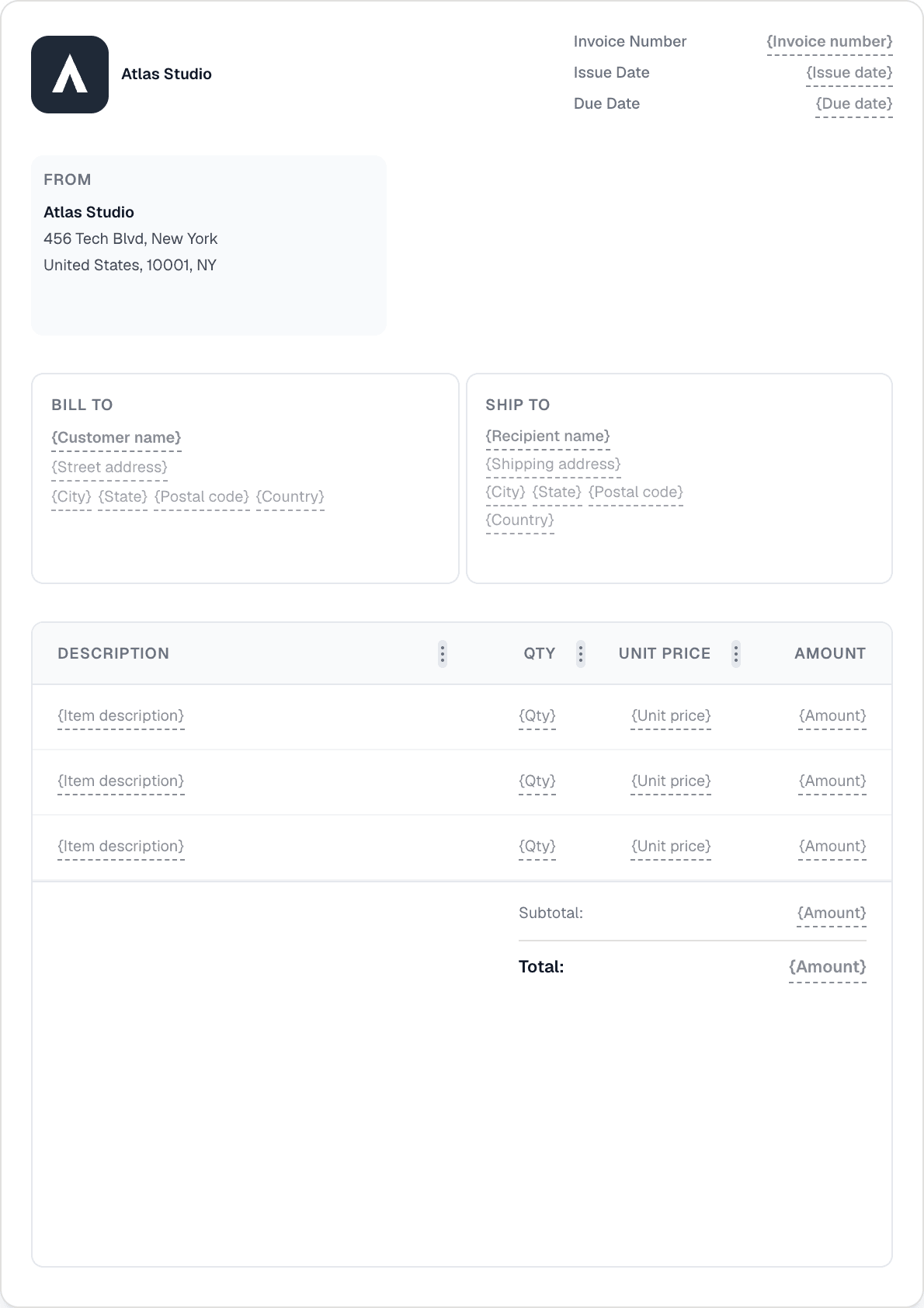
Na fakturze objętej odwrotnym obciążeniem nie powinni Państwo wykazywać kwoty ani stawki VAT. Zamiast tego należy zamieścić adnotację, taką jak „VAT: odwrotne obciążenie” lub „Wewnątrzwspólnotowa dostawa — ma zastosowanie odwrotne obciążenie”, wraz z numerem VAT klienta. Gdy zweryfikują Państwo unijny numer VAT klienta w Invotify, system VIES zwraca jego status rejestracji; w połączeniu z polami podwójnego podatku mogą Państwo zarejestrować pozycje podatkowe ze stawką zerową i zanotować podstawę odwrotnego obciążenia w bloku uwag.
Odwrotne obciążenie VAT przenosi odpowiedzialność za rozliczenie VAT ze sprzedawcy na nabywcę. Zamiast dostawcy naliczającego i pobierającego VAT, klient samodzielnie rozlicza go we własnej deklaracji VAT, co jest powszechne w transgranicznych transakcjach B2B w UE.
Zwykle ma ono zastosowanie, gdy zarejestrowane do VAT przedsiębiorstwo w jednym kraju UE dostarcza towary lub usługi zarejestrowanemu do VAT przedsiębiorstwu w innym, oraz w niektórych sektorach krajowych, takich jak budownictwo. Sprzedawca wystawia fakturę bez VAT i zaznacza, że ma zastosowanie odwrotne obciążenie.
Faktura powinna wykazywać numery VAT obu stron, naliczać VAT w wysokości 0% i zawierać wyraźną adnotację, taką jak „Odwrotne obciążenie — VAT rozlicza odbiorca”. Sygnalizuje to nabywcy, że musi zadeklarować VAT we własnym kraju.
Invotify Pro może weryfikować unijne numery VAT za pośrednictwem VIES, co jest sprawdzeniem potwierdzającym, czy odwrotne obciążenie jest właściwe dla transgranicznej sprzedaży B2B. Następnie mogą Państwo wystawić jasno sformułowaną fakturę z wykazanymi oboma numerami VAT i VAT ustawionym na zero.
Stwórz profesjonalną fakturę w mniej niż minutę. Nie potrzebujesz umiejętności projektowych.