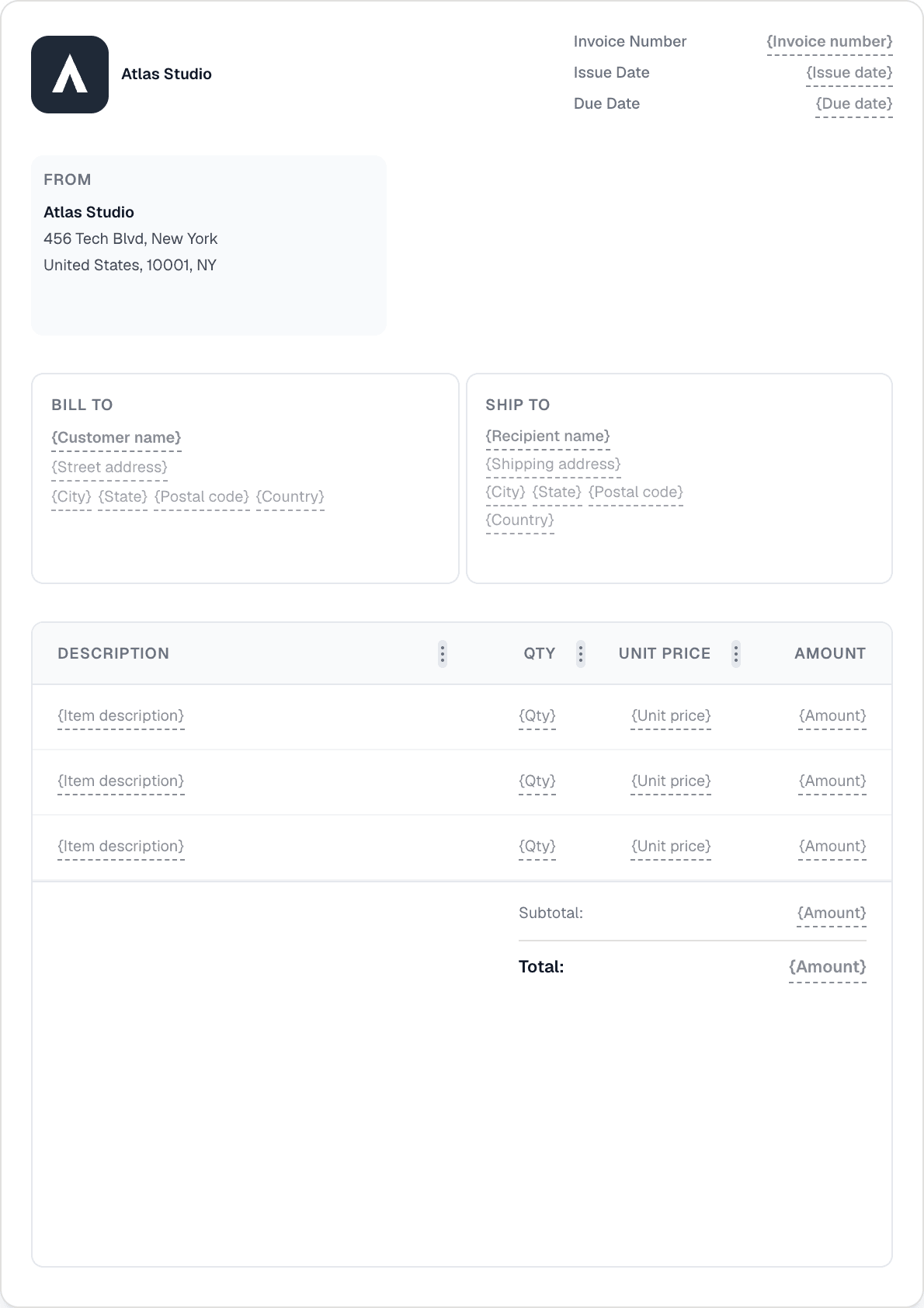

E-fakturering er den strukturerede, maskinlæsbare udveksling af fakturadata mellem købers og sælgers systemer, der erstatter PDF eller papir.
E-fakturering (elektronisk fakturering) betyder at sende og modtage fakturadata i et struktureret, maskinlæsbart format frem for som en PDF eller et trykt dokument. En struktureret e-faktura bærer hvert felt — sælgers navn, købers momsnummer, varelinjer, momsbeløb, forfaldsdato — i et defineret skema, som købers bogføringssystem kan læse, validere og behandle automatisk uden manuel dataindtastning.
De fleste lande skelner mellem e-fakturering og blot at sende en PDF pr. e-mail. En PDF er et digitalt billede af en faktura; en e-faktura er data. Almindelige strukturerede formater omfatter UBL 2.1 (XML, der anvendes på tværs af Europa og Asien-Stillehavsområdet), CII (UN/CEFACT Cross Industry Invoice, grundlaget for XRechnung i Tyskland og Factur-X i Frankrig) og Peppol BIS 3.0 (en UBL-profil, der anvendes på Peppol-netværket til grænseoverskridende levering).
Regeringer i hele EU pålægger e-fakturering for B2B-transaktioner efter en gradvis tidsplan. Tysklands påbud begynder i faser fra 2025-2028; Frankrigs fra 2026-2027; Polen kræver KSeF for store virksomheder nu og for alle virksomheder inden 2026; Italiens FatturaPA-system har været obligatorisk siden 2019. Disse påbud handler om strukturerede dataformater, ikke blot digital levering.
Invotify Pro eksporterer e-fakturaer i UBL 2.1, CII (dækker XRechnung og Factur-X) og Peppol BIS 3.0. Landespecifikke platforme (KSeF, FatturaPA, FacturaE) kræver et lokalt indsendelsestrin, som Invotify ikke håndterer indbygget — du eksporterer den standardbaserede XML og bruger den relevante portal eller adgangspunkt. Se vores e-faktureringsguider for landespecifikke detaljer.
Nej. En PDF er en visuel gengivelse af en faktura; den kræver et menneske (eller OCR) for at blive læst. En e-faktura er strukturerede data — XML, der overholder et standardiseret skema — som købers system kan analysere og behandle automatisk. Mange e-faktureringspåbud udelukker udtrykkeligt levering som PDF alene.
Invotify Pro eksporterer UBL 2.1, CII (tilpasset XRechnung og Factur-X) og Peppol BIS 3.0. Landespecifikke formater såsom Italiens FatturaPA eller Polens KSeF kræver indsendelse gennem den lokale regeringsportal; Invotify leverer den standardbaserede XML, som du derefter kan levere via den påkrævede kanal.
Påbuddene varierer efter land og virksomhedsstørrelse. Tyskland: modtageklar fra januar 2025, afsendelse i faser fra 2027-2028. Frankrig: i faser fra 2026. Polen: store virksomheder nu, alle virksomheder fra 2026. Italien: obligatorisk siden 2019. Verificér altid den aktuelle tidsplan hos din lokale skattemyndighed — fristerne ændrer sig.
Ikke nødvendigvis. Peppol er et leveringsnetværk, ikke et format. Invotify genererer Peppol BIS 3.0-XML, som du kan levere gennem ethvert registreret Peppol-adgangspunkt. Nogle lande påbyder Peppol-levering; andre accepterer den strukturerede XML-fil direkte eller via deres egen platform.
Opret en professionel faktura på under et minut. Ingen designfærdigheder nødvendige.