जून 2026 तक: वास्तविक समय की ई-रिपोर्टिंग के साथ अनिवार्य घरेलू B2B और B2G ई-इनवॉइसिंग Fiskalizacija 2.0 के तहत VAT-पंजीकृत व्यवसायों के लिए 1 जनवरी 2026 से लागू है। गैर-VAT करदाताओं को अब ई-इनवॉइस प्राप्त करने होंगे और 1 जनवरी 2027 से जारी करने होंगे। वर्तमान नियमों की पुष्टि Porezna uprava से करें।
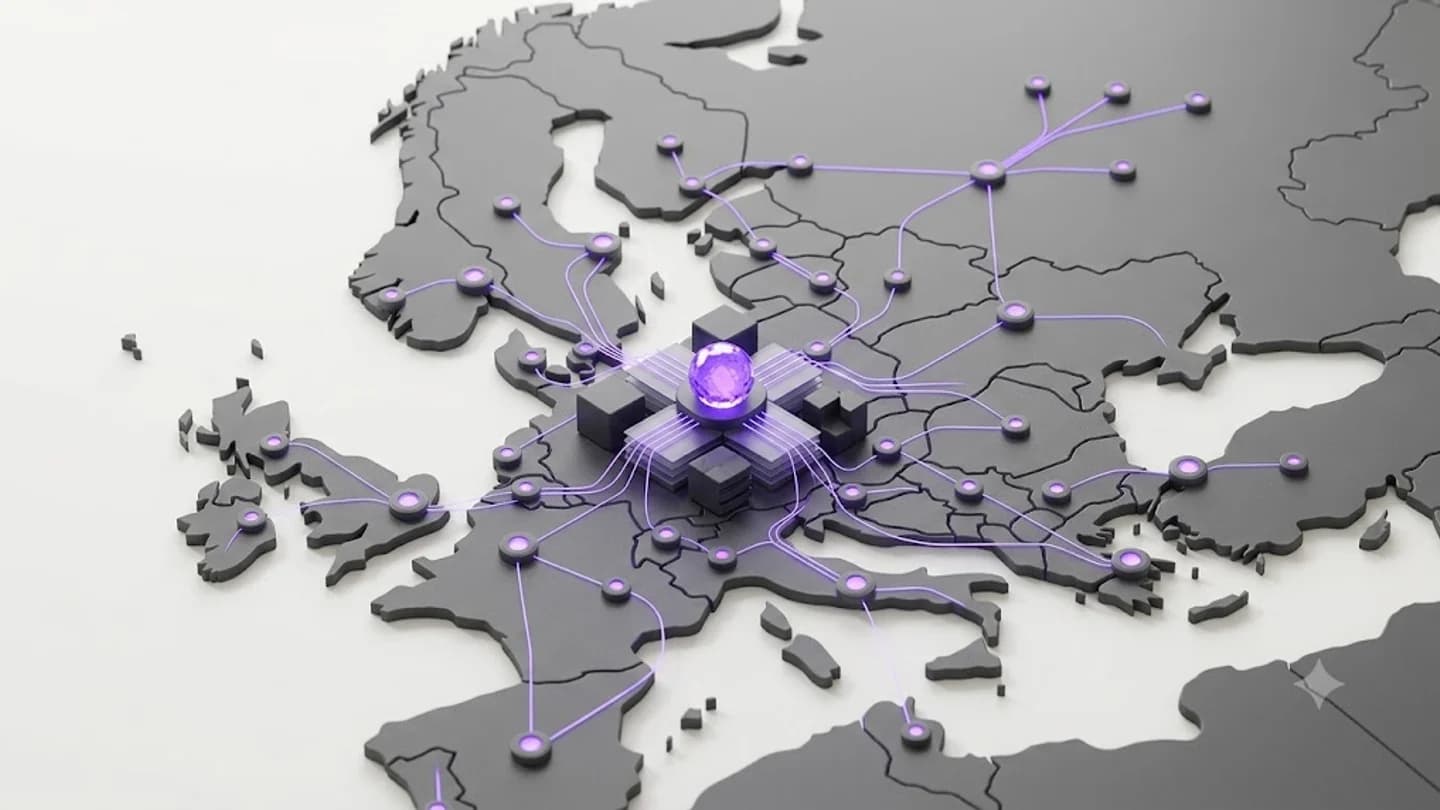
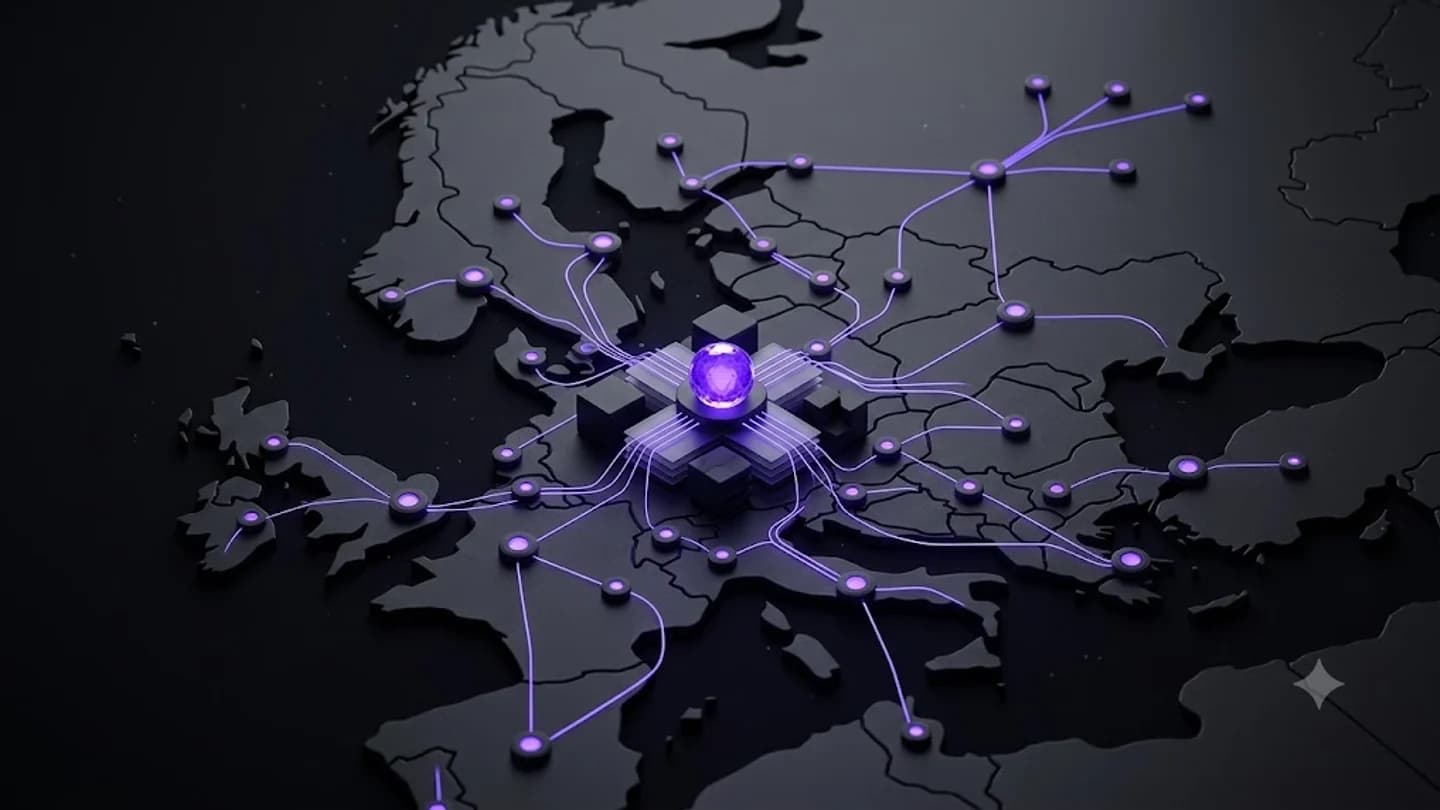
क्रोएशिया की Fiskalizacija 2.0 अनिवार्यता पहले से ही लाइव है। जून 2025 में पारित फ़िस्कलाइज़ेशन अधिनियम (सितंबर 2025 से एक स्वैच्छिक परीक्षण चरण के साथ) के तहत, वास्तविक समय की ई-रिपोर्टिंग के साथ अनिवार्य घरेलू B2B और B2G ई-इनवॉइसिंग 1 जनवरी 2026 से क्रोएशिया में स्थापित सभी VAT-पंजीकृत व्यवसायों के लिए प्रभावी हुई — उन्हें संरचित ई-इनवॉइस (eRačun) जारी और प्राप्त करने होंगे और इनवॉइस को फ़िस्कलाइज़ (वास्तविक समय में रिपोर्ट) किया जाता है, क्रोएशियाई कर प्राधिकरण को। गैर-VAT करदाताओं को 2026 से ई-इनवॉइस प्राप्त करने में सक्षम होना चाहिए और उन्हें 1 जनवरी 2027 से जारी करना होगा। इनवॉइस को EN 16931 के अनुरूप होना चाहिए; क्रोएशिया UBL 2.1 में HR-FISK 2.0 नामक एक राष्ट्रीय CIUS का उपयोग करता है, और सिस्टम Peppol BIS 3.0 (UBL XML) का समर्थन करता है।
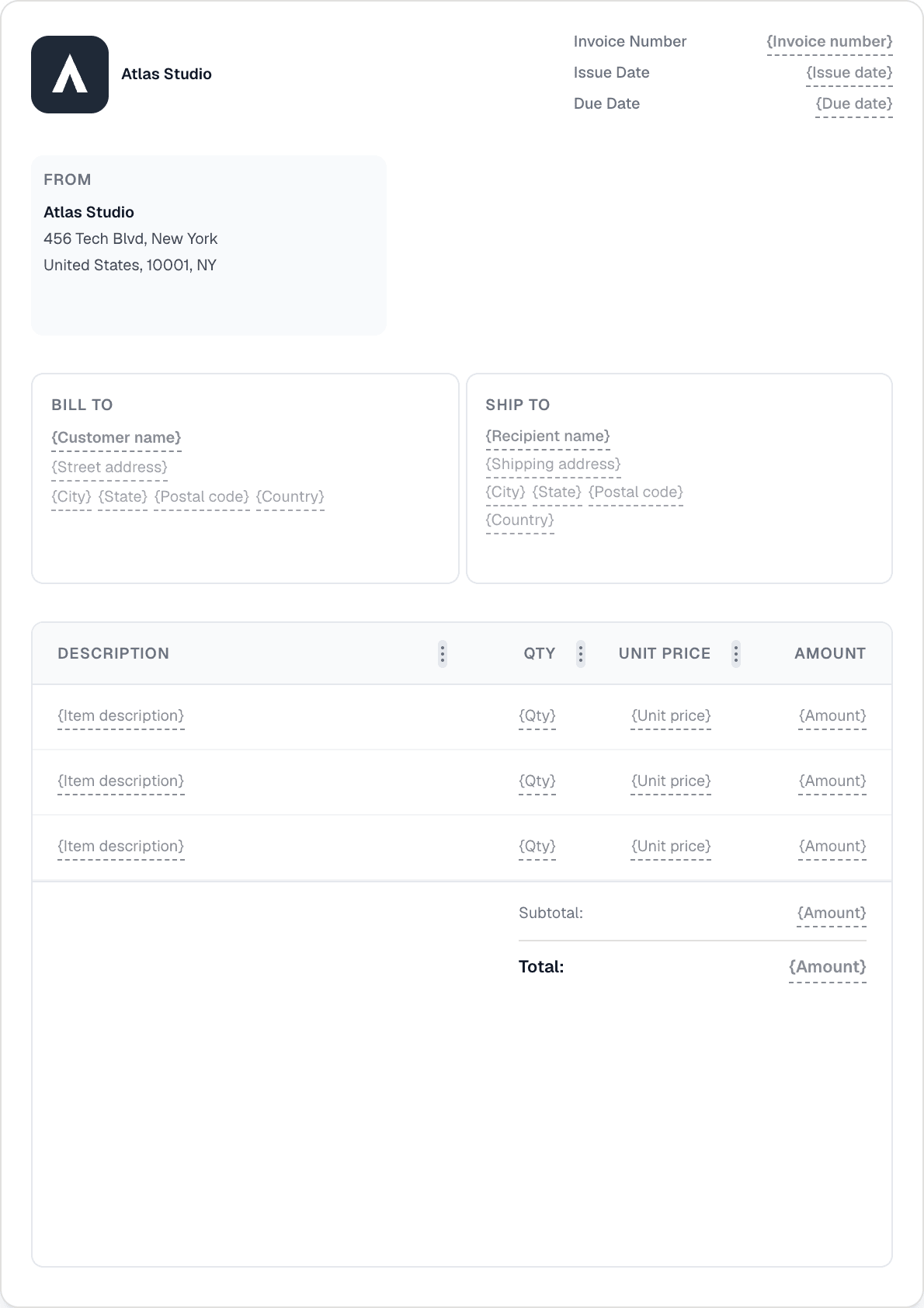
Invotify Pro आपके इनवॉइस को UBL 2.1, CII, या Peppol BIS 3.0 के रूप में निर्यात करता है — EN 16931-संरेखित, UBL-आधारित प्रारूप जिन पर क्रोएशिया की Fiskalizacija 2.0 अनिवार्यता बनी है। Invotify संरचित eRačun फ़ाइल बनाता है; क्योंकि क्रोएशिया को वास्तविक समय की फ़िस्कलाइज़ेशन रिपोर्टिंग की आवश्यकता है, आप इसे एक Peppol एक्सेस पॉइंट या एक स्वीकृत सेवा प्रदाता (या कर प्राधिकरण के अपने उपकरण) के माध्यम से वितरित और रिपोर्ट करते हैं। Invotify मानक-आधारित इनवॉइस संभालता है; आपका एक्सेस पॉइंट फ़िस्कलाइज़ेशन संभालता है। ई-इनवॉइसिंग एक Pro सुविधा है।
हां। जून 2026 तक, वास्तविक समय की ई-रिपोर्टिंग के साथ अनिवार्य घरेलू B2B और B2G ई-इनवॉइसिंग Fiskalizacija 2.0 अनिवार्यता के तहत क्रोएशिया में स्थापित सभी VAT-पंजीकृत व्यवसायों के लिए 1 जनवरी 2026 से लागू है। गैर-VAT करदाताओं को पहले से ही ई-इनवॉइस प्राप्त करने होंगे और 1 जनवरी 2027 से उन्हें जारी करना शुरू करना होगा। नवीनतम विवरण की पुष्टि Porezna uprava (क्रोएशियाई कर प्रशासन) से करें।
क्रोएशियाई ई-इनवॉइस को EU मानदंड EN 16931 के अनुरूप होना चाहिए। क्रोएशिया UBL 2.1 प्रारूप में HR-FISK 2.0 नामक एक राष्ट्रीय CIUS का उपयोग करता है, और सिस्टम एक सामान्य आदान-प्रदान प्रारूप के रूप में Peppol BIS 3.0 (UBL XML) का समर्थन करता है। Invotify Pro UBL 2.1, CII, और Peppol BIS 3.0 निर्यात करता है — अनिवार्यता के साथ संरेखित मानक-आधारित प्रारूप।
Fiskalizacija 2.0 के तहत, ई-इनवॉइस वास्तविक समय में क्रोएशियाई कर प्राधिकरण को रिपोर्ट किए जाते हैं — यही ई-रिपोर्टिंग / फ़िस्कलाइज़ेशन चरण है। Invotify Pro मानक-आधारित eRačun (UBL 2.1, CII, या Peppol BIS 3.0) बनाता है; वास्तविक समय की फ़िस्कलाइज़ेशन प्रसारण एक Peppol एक्सेस पॉइंट, एक स्वीकृत सेवा प्रदाता, या प्राधिकरण के अपने उपकरणों द्वारा संभाला जाता है। अपनी रिपोर्टिंग सेटअप की पुष्टि Porezna uprava से करें।
1 जनवरी 2026 से, क्रोएशिया में स्थापित सभी VAT-पंजीकृत व्यवसायों को घरेलू B2B और B2G लेनदेन के लिए ई-इनवॉइस जारी और प्राप्त करने होंगे और उन्हें वास्तविक समय में रिपोर्ट करना होगा। गैर-VAT-पंजीकृत करदाताओं को 2026 से ई-इनवॉइस प्राप्त करने में सक्षम होना चाहिए और उन्हें 1 जनवरी 2027 से जारी करना होगा। Invotify Pro पूरे समय EN 16931-संरेखित प्रारूप निर्यात करता है। अपनी बाध्यताओं को Porezna uprava से सत्यापित करें।
एक मिनट से भी कम में प्रोफेशनल इनवॉइस बनाएं। किसी डिज़ाइन स्किल की ज़रूरत नहीं।